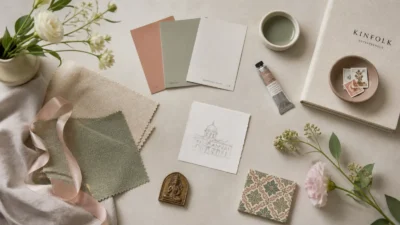
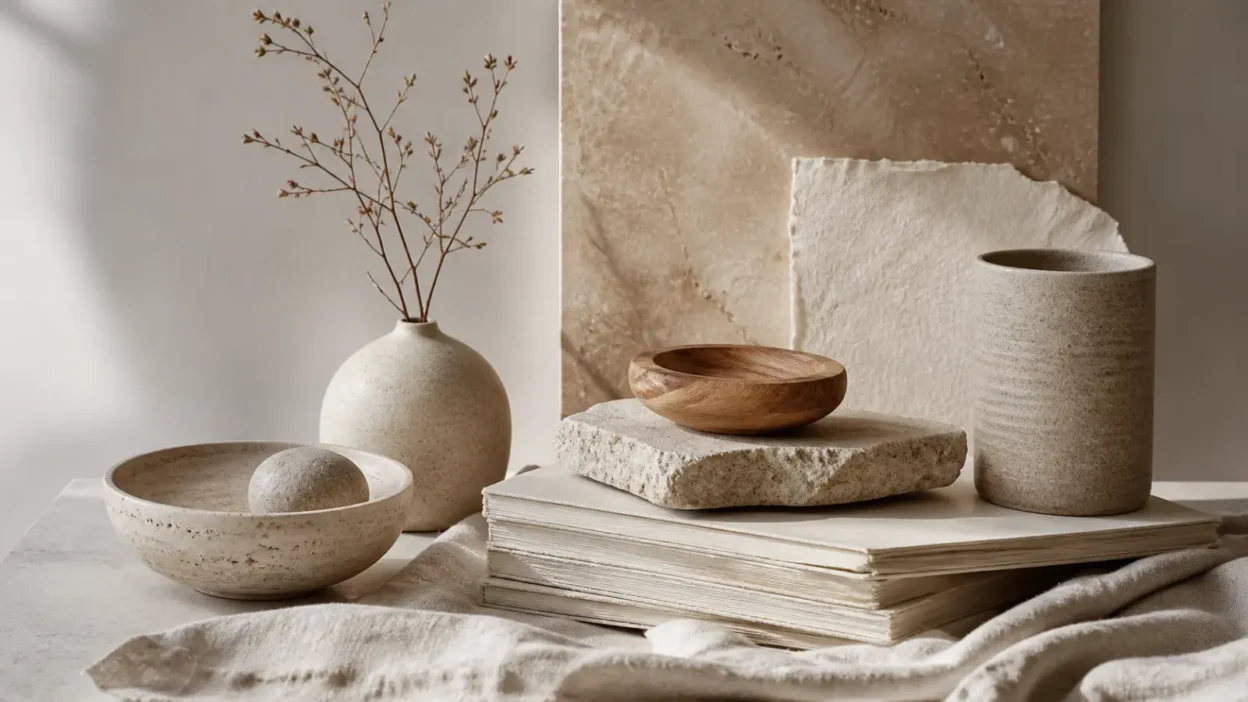
Neutral colors are the quiet colors people often notice last, even though they shape nearly every space, outfit, logo, and image around us. Black, white, gray, brown, beige, cream, taupe, khaki, and similar muted shades can act as a background, a signal of taste, or a symbol of restraint.
The neutral color symbolism meaning most often points to balance, calm, simplicity, practicality, and emotional control. In the United States, neutrals also carry strong links to professionalism, home decor, minimalism, luxury branding, mourning, weddings, and everyday clothing.
These meanings are not fixed in every culture or every setting. A gray suit, a white wedding dress, a black funeral outfit, and a beige living room do not say the same thing. Neutral colors gain meaning from where they appear, who uses them, and what they are placed beside.
Quick Answer
In modern U.S. culture, neutral color symbolism meaning usually centers on balance, calm, restraint, simplicity, and versatility. Historically, these meanings developed from natural materials, undyed cloth, stone, earth pigments, formal dress, mourning customs, and later design movements that valued order and understatement.
TL;DR
- Neutral colors often suggest balance and restraint.
- Meaning changes by shade and setting.
- Black, white, gray, and brown differ sharply.
- U.S. use centers on style, decor, and branding.
- Some meanings are cultural, not universal.
- Modern “neutral aesthetics” can oversimplify older meanings.
What Neutral Colors Are in Symbolism
Neutral colors are shades that do not feel strongly warm or cool in the way red, orange, blue, or green often do. In design, the most basic neutrals are black, white, gray, and brown. In everyday use, people also include beige, cream, ivory, taupe, tan, khaki, charcoal, stone, and greige.
Symbolically, neutrals are not empty colors. They are low-saturation colors that often let other things stand out. That background role is one reason they became associated with balance, moderation, calm, and support.
A neutral wall can make art look brighter. A black suit can make a person look formal. A white page can make words seem clear. A brown leather chair can suggest comfort and use. None of these meanings comes from color alone. The object, material, setting, and culture all matter.
That is the first rule of neutral color symbolism: the meaning is usually relational. Neutrals often speak by what they allow, frame, soften, hide, or steady.
The Core Meaning of Neutral Colors Today
Today, neutral colors most commonly symbolize balance. They sit between visual extremes. They do not demand attention as quickly as bright red, yellow, or neon green. Because of that, people often read them as calm, controlled, mature, and flexible.
In the United States, neutral colors often suggest:
- simplicity
- professionalism
- cleanliness
- practicality
- quiet confidence
- emotional restraint
- timeless style
- seriousness
- comfort
- naturalness
This is why neutrals are so common in work clothing, home staging, luxury packaging, phones, laptops, wedding palettes, and minimalist interiors. They can feel safe without feeling cold, especially when texture and warmth are added.
But neutrals can also feel distant. A fully gray room may feel elegant to one person and lifeless to another. A beige outfit may read as polished in one setting and forgettable in another. Neutral colors are flexible, but that flexibility makes them easy to misread.
Why Neutral Colors Feel Calm, Practical, or Reserved
Neutral colors often feel calm because they create less visual tension than highly saturated colors. A bright color pulls the eye quickly. A neutral color usually lets the eye rest.
This does not mean neutral colors automatically calm everyone. Color psychology is not that simple. Personal memory, culture, lighting, texture, and setting can change the effect. A white hospital room, a white wedding dress, and a white beach house may all feel different.
Still, several patterns help explain why neutrals carry their common meanings.
First, neutrals reduce contrast when used softly. Beige walls, cream bedding, gray stone, and natural wood can make a room feel steady because no single color shouts for attention.
Second, neutrals often connect to practical materials. Wool, linen, clay, wood, stone, sand, leather, and soil all appear in neutral shades. This gives many neutrals an earthy, useful, grounded feeling.
Third, neutrals are often used in formal situations. Black, navy-adjacent charcoal, white, cream, and gray appear in suits, uniforms, legal settings, business clothing, and ceremonial dress. Over time, that use strengthened their link with seriousness and control.
How Each Neutral Shade Changes the Message
Neutral colors do not all mean the same thing. Black and cream can both be neutral, but their emotional weight is very different. A useful reading starts with the shade.
| Neutral shade | Common U.S. symbolism | When the meaning shifts |
|---|---|---|
| Black | formality, grief, authority, elegance | Can feel severe, stylish, protective, or mournful |
| White / ivory | clarity, cleanliness, weddings, fresh starts | Can feel sacred, sterile, pure, empty, or formal |
| Gray / charcoal | neutrality, maturity, restraint, uncertainty | Can feel balanced, corporate, gloomy, or refined |
| Brown / tan | earthiness, reliability, comfort, work | Can feel humble, rustic, dull, warm, or durable |
| Beige / cream / taupe | calm, softness, simplicity, understated taste | Can feel cozy, bland, elegant, or trend-driven |
Warm neutrals, such as cream, camel, tan, and brown, tend to feel softer and more natural. Cool neutrals, such as gray, charcoal, and stark white, often feel more formal, technical, or restrained.
Undertone matters too. A yellow-beige room can feel sunny and relaxed. A gray-beige room can feel quiet and polished. A blue-gray suit can feel serious and professional. A brown-gray taupe can feel earthy but refined.
Historical Roots: Earth Pigments, Cloth, Stone, and Social Meaning
Neutral symbolism did not begin as an abstract idea. It grew from materials people used every day.
Brown, tan, ocher, charcoal, and clay colors are among the most familiar natural shades because they come from soil, minerals, wood, ash, animal hide, and plant fibers. Long before modern paint systems, these colors were tied to shelter, tools, clothing, pottery, and land.
That history helps explain why brown and tan often symbolize earthiness, labor, dependability, and plainness. They are colors of use, not display. In some settings, that made them humble. In others, it made them honest and sturdy.
White and black developed different meanings because they often required stronger contrast, special treatment, or social rules. White cloth could suggest cleanliness or status because keeping it bright took effort. Black clothing became linked with formality and mourning in many Western settings because it created a sober, restrained public appearance.
Gray sits between black and white, so it often became a symbol of middle ground. It can suggest neutrality, age, fog, stone, metal, or ambiguity. That is why gray can feel wise in one context and uncertain in another.
Modern neutral symbolism also owes a lot to design history. Minimalist art, modern architecture, corporate design, and luxury fashion all helped turn neutral palettes into signs of taste, order, and restraint.
Neutral Colors in U.S. Fashion and Personal Style
In U.S. fashion, neutral colors often symbolize control. They are used when someone wants to look polished without appearing loud.
A black dress, charcoal suit, camel coat, white shirt, or beige trench coat can suggest maturity and confidence. These clothes do not rely on bright color to make their point. They use cut, fabric, and fit.
Neutral clothing can signal different things depending on style:
- Professional dress: gray, black, navy-adjacent charcoal, and white often suggest seriousness.
- Minimalist fashion: cream, black, beige, and taupe suggest simplicity and careful editing.
- Luxury style: monochrome neutrals can suggest confidence, cost, and restraint.
- Outdoor or workwear style: brown, tan, olive-khaki, and canvas neutrals suggest utility.
- Soft everyday style: cream, oatmeal, and warm beige suggest ease and comfort.
Neutral outfits can also feel protective. Black can create a sense of boundary. Gray can help someone blend in. Beige can soften the body’s outline and feel approachable.
This is why neutrals work both for standing out and for disappearing. A crisp black suit can command attention. A gray hoodie can avoid it.
Religion, Mourning, Weddings, and Cultural Caution
Neutral colors appear often in religion, mourning, and ceremony, but their meanings should not be treated as universal.
In the United States, black is widely associated with funerals, grief, and solemn dress. This does not mean black is the mourning color everywhere. Some cultures use white, red, purple, or other colors in mourning contexts. Even within the U.S., expectations vary by family, faith, region, and personal preference.
White has strong U.S. associations with weddings, cleanliness, baptismal clothing in some Christian contexts, and fresh beginnings. But white can also mean mourning in some Asian traditions, simplicity in religious dress, or sterility in medical spaces. The color does not carry one global message.
Brown, beige, and undyed cloth can suggest humility in some religious or spiritual settings because they avoid display. Plain dress traditions often use subdued colors to express modesty, discipline, or separation from fashion. But it would be inaccurate to say all neutral clothing is religious or humble. In modern fashion, the same palette may signal wealth or trend awareness.
The safest way to interpret ceremonial neutral colors is to ask: whose tradition is this, what setting is it in, and what role does the color play there?
Neutral Colors in Homes, Decor, and Minimalist Design
Neutral colors dominate U.S. homes because they are easy to live with. They make rooms feel adaptable. They also help furniture, art, plants, books, wood, stone, and fabric textures stand out.
In home decor, neutrals often symbolize calm, safety, and order. Beige walls, white trim, gray sofas, cream bedding, and wood tones create a sense of visual rest. That is especially appealing in a culture where many people want home to feel like a break from noise, screens, and work.
Neutral interiors also carry practical meanings. They are common in rental apartments, staged homes, hotels, offices, and resale-focused design because they appeal to many people. A neutral room asks less of the viewer than a bright red room or a deep purple kitchen.
Minimalist design strengthened this symbolism. White walls, black lines, gray concrete, pale wood, and beige textiles became signs of simplicity and edited living. In some cases, this feels peaceful. In others, it can feel too controlled or impersonal.
The recent return of warmer neutrals shows that people often want calm without coldness. Cream, clay, taupe, khaki, sand, and brown can make a neutral space feel lived-in rather than blank.
Neutral Colors in Branding, Technology, and Public Life
Neutral colors are common in branding because they can feel stable and serious. Black can suggest luxury, authority, or elegance. White can suggest clarity and simplicity. Gray can suggest technology, neutrality, or professionalism. Brown can suggest reliability, tradition, food, nature, or craft.
Many technology products use neutral colors because the product is meant to fit into many homes, offices, and personal styles. Phones, laptops, headphones, cars, and appliances often come in black, white, silver, gray, and beige-like finishes for this reason.
Neutral colors also help brands avoid strong emotional risk. A bright color can be memorable, but it can also divide people. A neutral palette may feel safer, more flexible, and more premium.
In public life, neutrals often appear where seriousness matters: courts, offices, uniforms, formal events, museums, memorials, and government spaces. Stone, marble, black clothing, white paper, gray metal, and dark suits all contribute to the symbolic language of authority and order.
Yet neutral branding can become forgettable when it lacks contrast, texture, or point of view. The same restraint that makes neutrals elegant can also make them bland.
Positive and Negative Meanings of Neutral Colors
Neutral colors have a wide emotional range. Their meaning depends on balance.
Positive meanings include:
- calm and steadiness
- maturity and self-control
- elegance and simplicity
- flexibility and usefulness
- naturalness and comfort
- seriousness and respect
- clarity and order
Negative meanings include:
- coldness
- boredom
- emotional distance
- conformity
- uncertainty
- dullness
- emptiness
- excessive caution
This double meaning is important. A gray office can feel professional or depressing. A beige room can feel peaceful or lifeless. A black outfit can feel elegant or severe. A white room can feel clean or sterile.
Neutral colors rarely tell the whole story alone. Materials change the message. Linen, wool, clay, wood, leather, marble, concrete, plastic, and metal all make neutrals feel different. Lighting also matters. Warm light can make beige feel cozy. Harsh light can make white feel clinical.
Misuse, Oversimplification, and Internet-Era Neutral Aesthetics
Neutral colors are often oversimplified online. Beige becomes “calm.” Black becomes “power.” White becomes “purity.” Gray becomes “balance.” Brown becomes “earth.” Those meanings can be useful, but they are incomplete.
The biggest mistake is treating neutral symbolism as universal. A white dress, black clothing, gray wall, or brown object does not mean the same thing in every culture, religion, or social setting.
Another mistake is treating modern aesthetics as ancient truths. The “clean girl” palette, beige nursery, minimalist apartment, grayscale tech setup, and quiet luxury wardrobe are modern style languages. They may borrow from older associations with restraint, cleanliness, and wealth, but they are not timeless spiritual codes.
There is also a class dimension to neutral aesthetics. A plain beige coat can suggest simplicity, but in luxury fashion it may also signal expensive taste. A white room can suggest cleanliness, but it also requires maintenance. A minimal home can look effortless while depending on space, storage, and money.
Neutral colors are not dishonest because of this. They are simply layered. Their quietness can hide social meaning as easily as it can express calm.
FAQs
What do neutral colors symbolize?
Neutral colors most often symbolize balance, calm, restraint, simplicity, and versatility. In U.S. culture, they are also linked with professionalism, home comfort, formal dress, and understated style.
Are neutral colors positive or negative?
They can be either. Neutral colors may feel elegant, peaceful, and practical, but they can also feel cold, dull, empty, or overly cautious when used without warmth or contrast.
What does wearing neutral colors say about a person?
Wearing neutrals can suggest confidence, maturity, professionalism, or a preference for simplicity. It can also be a practical choice rather than a personality statement, especially in work, travel, or capsule wardrobes.
Do neutral colors have spiritual meaning?
Some people interpret neutral colors spiritually as signs of grounding, clarity, humility, or balance. Those meanings are often modern or tradition-specific, so they should not be treated as universal religious facts.
What do neutral colors mean in a home?
In home decor, neutral colors usually suggest calm, order, flexibility, and comfort. They also make a room easier to adapt because furniture, art, plants, and textures can change the mood.
Are black and white really neutral colors?
Yes, in design language black and white are usually treated as neutral colors. Symbolically, though, they are often stronger than beige or gray because they carry major meanings around formality, mourning, purity, clarity, contrast, and ceremony.
Why are neutral colors so popular now?
Neutral colors are popular because they work across fashion, interiors, technology, and branding. They photograph well, mix easily, and support modern tastes for simplicity, comfort, and understated polish.
Conclusion
Neutral colors are quiet, but they are not meaningless. They often symbolize balance, calm, restraint, practicality, and flexibility because they soften visual noise and connect to familiar materials like cloth, stone, wood, soil, paper, and metal.