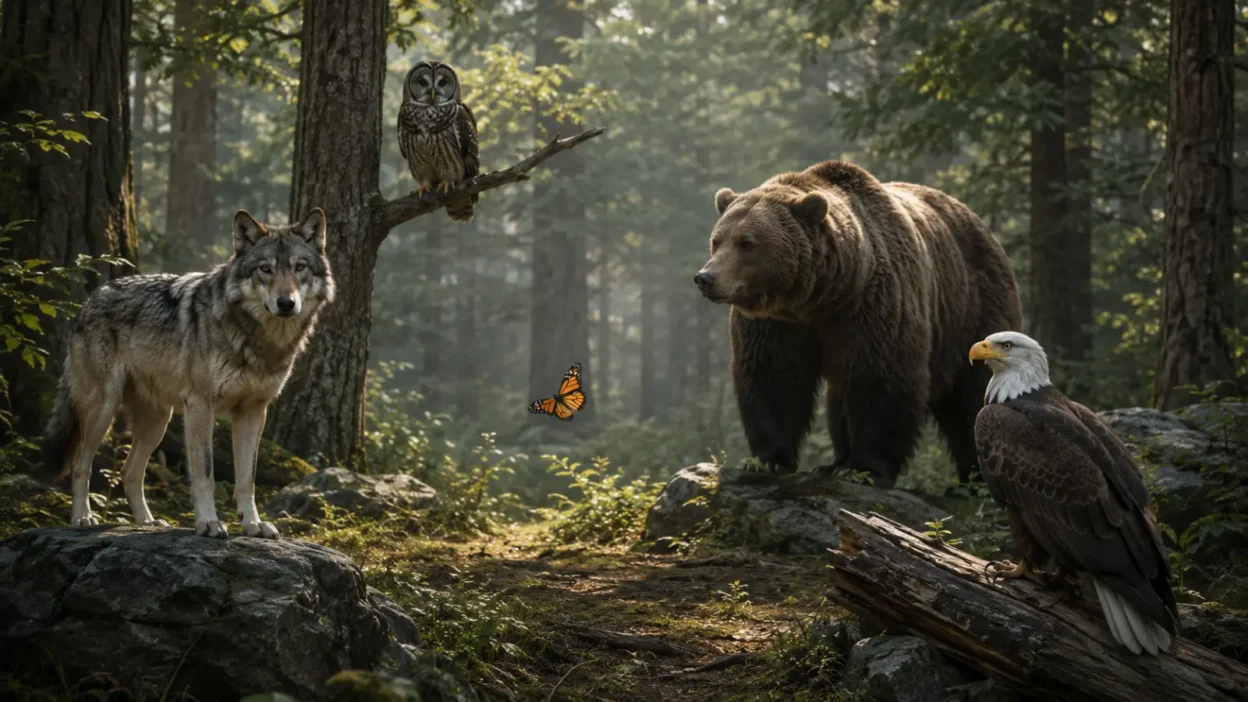
Animal spirit meanings are usually about the qualities people associate with animals. A wolf may suggest loyalty. An owl may suggest watchfulness. A butterfly may suggest change.
But this topic needs care. In the United States, people often use animal imagery for tattoos, mascots, jewelry, home decor, social media, and personal identity. Some uses are harmless personal symbolism. Others borrow language from living Indigenous traditions in ways that can feel careless or disrespectful.
A better approach is to ask two questions at once: “What does this animal mean to people today?” and “Where did that meaning come from?” That keeps the meaning useful without pretending every culture has the same answer.
Quick Answer
In modern U.S. use, animal spirit meanings usually point to personal traits people see in animals, such as courage, loyalty, freedom, patience, or transformation. Historically, animal-related spiritual meanings come from many separate sources, including clan systems, religious art, folklore, myth, and modern self-help culture, so the phrase should be used with care rather than treated as one universal tradition.
TL;DR
- Animal meanings depend on culture and context.
- Modern use often focuses on personal traits.
- “Spirit animal” can be culturally sensitive language.
- Tattoos usually express identity or memory.
- Dreams and omens are belief-based interpretations.
- Real animal behavior is not the same as symbolism.
What People Usually Mean by Animal Spirits Today
When most Americans search for animal meanings today, they are usually looking for a personal symbol. They want to know what it might mean if they feel drawn to a wolf, see crows often, dream about snakes, or want a butterfly tattoo.
In this modern sense, an “animal spirit” often works like a mirror. The animal reflects a quality the person wants to understand or claim. A bear may stand for protection. A fox may stand for cleverness. A deer may suggest gentleness. A hawk may suggest focus.
This does not mean the animal has one fixed meaning. It means people use animal images to think about human life. The same animal can carry different meanings in religion, art, folklore, sports, family stories, and personal memory.
That is why a careful article should not say, “The wolf means loyalty everywhere.” A safer and more accurate statement is: “In many modern U.S. interpretations, the wolf is often linked with loyalty, instinct, family bonds, and independence.”
Why Animals Become Symbols in the First Place
Animals become symbols because people notice them. Their bodies, habits, sounds, movement, and survival skills are easy to turn into metaphor.
Birds fly, so they often become symbols of freedom, messages, or the soul. Snakes shed their skin, so many people connect them with renewal, danger, healing, or hidden knowledge. Bears are large and protective, so they are often linked with strength, motherhood, rest, and defense.
These meanings usually begin with observation, but they do not stop there. A culture adds story. Religion adds sacred meaning. Folklore adds warnings and lessons. Art adds visual codes. Modern culture adds personal style.
That is why animal symbolism is both old and changeable. People keep returning to animals because animals are close enough to observe but different enough to feel mysterious.
Spirit Animal, Totem, Animal Guide, and Animal Symbol Are Not the Same
The words people use around this topic are often mixed together, but they do not mean the same thing.
A general animal symbol is the broadest idea. It can be a lion on a sports logo, a dove in a wedding design, or a butterfly on a memorial card. The meaning depends on the setting.
An animal guide is often used in modern spiritual writing to describe an animal image that helps someone reflect on choices, emotions, or personal growth. This is usually personal and interpretive.
A totem is more specific. In some cultures, totems connect to kinship, ancestry, clan identity, and social relationships. They are not simply favorite animals. They can carry responsibilities, stories, and rules within a community.
“Spirit animal” is the phrase that needs the most care. Many people use it casually to mean “this animal is like me.” But the phrase is often linked, fairly or not, to Native and Indigenous spiritual ideas in the public imagination. Because of that, casual jokes like “coffee is my spirit animal” can feel dismissive to people whose traditions have been misrepresented.
Common Animal Associations and What They Usually Point To
Animal meanings are easiest to understand when you connect the symbol to the trait people notice. The table below gives common modern associations, not universal laws.
| Animal | Common modern meaning | Why that meaning developed |
|---|---|---|
| Wolf | Loyalty, instinct, family bonds | Wolves are known for pack life and coordinated hunting. |
| Owl | Wisdom, watchfulness, mystery | Owls are nocturnal, quiet, and linked with seeing in darkness. |
| Bear | Strength, protection, inner rest | Bears are large, defensive, and associated with winter retreat. |
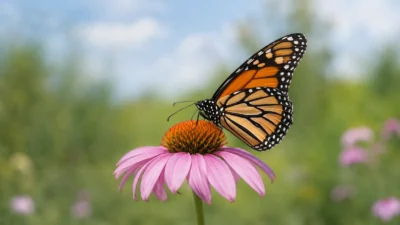
| Butterfly | Change, renewal, life transition | The caterpillar-to-butterfly cycle makes transformation visible. |
| Eagle | Freedom, vision, courage | Eagles fly high and are strongly tied to U.S. national imagery. |
| Snake | Renewal, danger, healing, temptation | Shedding skin, venom, and religious stories shape mixed meanings. |
These examples show why context matters. The snake is not only “bad.” In some settings, it can suggest danger. In others, it can suggest healing, wisdom, life force, or rebirth.
The same is true for nearly every animal. A symbol becomes clearer when you ask where it appears, who is using it, and what story surrounds it.
Indigenous Context and Why Casual Use Needs Care
Any serious discussion of animal spirits in the United States has to mention Indigenous context. There is no single “Native American meaning” for an animal. Native nations have different languages, histories, lands, ceremonies, stories, and clan systems.
In some Indigenous communities, animals are connected to creation stories, family lines, kinship, teaching, foodways, ceremony, and responsibilities to the land. These are living cultural relationships, not decorative personality labels.
That is why casual use can become a problem. When a non-Native person says “my spirit animal is pizza” or uses sacred-looking animal imagery for a costume, joke, or product, the issue is not only the phrase. The issue is reducing serious cultural relationships to a mood or aesthetic.
A respectful approach is simple:
- Do not claim a Native identity, clan, or sacred role that is not yours.
- Do not copy ceremonial imagery because it “looks spiritual.”
- Do not treat all Indigenous cultures as one tradition.
- Use terms like “favorite animal,” “personal symbol,” “kindred creature,” or “animal inspiration” when that is what you mean.
Respect does not mean people can never connect with animal symbols. It means the connection should not erase or imitate traditions that carry specific meaning for someone else.
Religious and Mythic Animal Meanings Beyond One Tradition
Animal symbolism appears in many religious and mythic settings, but the meanings are not interchangeable.
In Christian art, the lamb may suggest innocence, sacrifice, or Christ. The dove may suggest peace, the Holy Spirit, or new beginnings. In classical Greek stories, the owl is tied to wisdom through its association with Athena. In Hindu traditions, the cow is often treated with reverence, and certain animals are linked with deities, vehicles, or sacred stories.
These examples do not prove that animals “mean the same thing everywhere.” They show that animals often become part of religious language because they make invisible ideas visible.
The mistake is to flatten these traditions into one simple chart. A dove on a wedding invitation, a dove in scripture, and a dove in a peace poster may overlap, but they are not the same use. Each setting adds its own layer.
Folklore, Omens, Dreams, and Repeated Animal Encounters
Many people look up animal meanings after a dream or an unusual encounter. Maybe a fox crossed the road. Maybe a cardinal appeared after a loved one died. Maybe a snake showed up in a dream during a stressful season.
These interpretations belong to folklore, personal belief, or emotional meaning. They can matter to the person experiencing them, but they should not be treated as proven messages.
A dream about a bear might point to fear, protection, exhaustion, or the need for boundaries. A crow outside the window might feel meaningful after a loss. A butterfly at a memorial may comfort someone because it fits a story of change and release.
The key is not to overstate it. An animal encounter can be meaningful without being a guaranteed sign. Personal meaning is real as an experience, even when it is not factual proof.
How People in the United States Use Animal Symbols Now
In the United States, animal symbols appear almost everywhere. They are used by sports teams, schools, military units, outdoor brands, car companies, conservation groups, children’s books, tattoos, clothing, and home decor.
Some animals carry strong public meanings. The eagle often suggests national identity, freedom, and authority. The bear can suggest wilderness, strength, or protection. The mustang may suggest speed and independence. The bulldog may suggest toughness and loyalty.
Pets also shape modern animal symbolism. Dogs often stand for loyalty because many Americans live with dogs as companions. Cats may suggest independence, mystery, comfort, or elegance because of their everyday presence in homes and online culture.
Digital life has changed animal symbolism too. Memes can turn animals into moods: the tired possum, the chaotic raccoon, the dramatic cat, the calm capybara. These meanings are newer and more playful. They may spread quickly, but they do not carry the same weight as older religious or cultural meanings.
Animal Tattoos and Personal Identity
Animal tattoos are one of the most common ways people use these symbols today. A tattoo makes the meaning personal and permanent, so people often choose an animal that reflects a value, memory, or turning point.
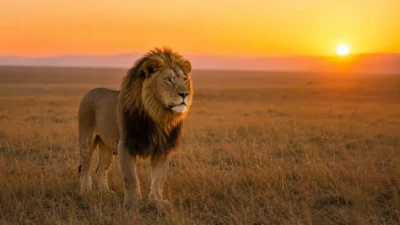
A wolf tattoo may represent family loyalty or independence. A butterfly may mark recovery, grief, growth, or a major life change. A lion may suggest courage, leadership, or survival. A bird may stand for freedom, travel, faith, or release.
The best tattoo meanings are usually specific. “I chose a bear because it reminds me to protect my peace” is stronger than “bears mean strength.” Personal story gives the symbol shape.
Cultural care matters here too. Some designs borrow from Indigenous art, religious iconography, or sacred traditions. Before using a pattern, headdress, clan-style image, or ceremonial symbol, it is worth asking whether the design belongs to a living culture and whether you have a respectful reason to use it.
Decor, Fashion, Branding, and Digital Aesthetics
Animal symbols also work because they are visually clear. A person can recognize an eagle, snake, bee, horse, or butterfly quickly, even from a small logo or charm.
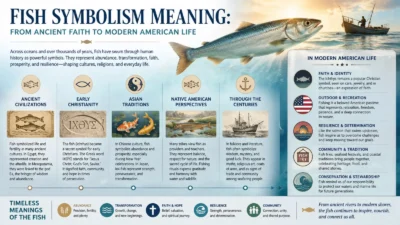
In home decor, animal images often create a mood. Deer may suggest softness and woodland calm. Horses may suggest movement and rural elegance. Birds may suggest lightness. Fish may suggest flow, abundance, or coastal life.
In fashion, animal symbols can signal personality. A snake ring may feel bold or mysterious. A bee necklace may suggest hard work, sweetness, or community. A tiger print may suggest confidence, though it can also become pure style with little symbolic intent.
Branding uses animals for the same reason. Animals compress a message. A hawk can imply sharp sight. A horse can imply speed. A lion can imply authority. A fox can imply cleverness. These meanings work because many people already understand the basic association.
Where Animal Symbolism Gets Oversimplified
Animal symbolism becomes weak when it turns into a fixed list with no context. A chart can be helpful, but it cannot tell the whole story.
Common oversimplifications include:
- Claiming one animal has the same meaning in every culture.
- Treating modern internet meanings as ancient tradition.
- Calling all animal reverence “worship.”
- Turning Indigenous relationships with animals into personality labels.
- Ignoring negative or mixed meanings.
- Confusing symbolic traits with real animal behavior.
The last point matters. Wolves are not symbols of loyalty because every wolf behaves like a human ideal of loyalty. They became symbols because people observed pack life and turned it into a human metaphor. Owls do not “mean wisdom” as a biological fact. The meaning comes from night vision, silence, old stories, and cultural repetition.
Good interpretation keeps that difference clear.
How to Interpret Animal Meanings Respectfully
A useful interpretation begins with context. Ask where the animal appears. Is it in a dream, tattoo, family crest, religious image, sports logo, children’s story, or social media post?
Then ask what traits are being emphasized. Is the animal shown flying, resting, hunting, guarding, shedding, nesting, or transforming? The image often tells you which meaning matters.
Next, ask whether the symbol belongs to a specific tradition. If it does, do not treat it as generic. Learn the setting before using the image or phrase.
A simple framework helps:
- Start with the animal’s visible traits.
- Check the cultural or religious setting.
- Notice whether the meaning is positive, negative, or mixed.
- Separate personal interpretation from historical claim.
- Avoid claiming sacred meanings casually.
- Let your own meaning be honest, not borrowed for effect.
This approach gives readers room for personal connection without turning every animal into a universal spiritual shortcut.
FAQs
What do animal spirits symbolize?
In modern use, animal spirits usually symbolize traits people associate with animals, such as courage, loyalty, freedom, patience, protection, or change. The exact meaning depends on the animal, the setting, and whether the idea comes from personal reflection, folklore, religion, or a specific culture.
Is it okay to say “spirit animal”?
It depends on context, but many people now avoid casual uses of the phrase because it can trivialize Indigenous traditions. If you simply mean an animal you relate to, clearer alternatives include “favorite animal,” “personal symbol,” “kindred animal,” or “animal inspiration.”
What do animal tattoos usually mean?
Animal tattoos often represent identity, memory, survival, family, freedom, grief, or personal change. The meaning is strongest when it connects to the wearer’s own story rather than a generic list.
Are animal meanings the same in every culture?
No. Some associations repeat because people notice similar animal traits, but cultures interpret those traits through different stories, religions, landscapes, and values. A snake, for example, may suggest danger in one setting and healing or renewal in another.
Do animal dreams or repeated sightings have spiritual meaning?
They can have personal or belief-based meaning, especially if the experience feels emotionally important. Still, dream and omen interpretations are not proven facts, so it is better to treat them as reflection rather than certainty.
What is the difference between a totem and an animal symbol?
An animal symbol can be any animal image used to express an idea. A totem is more specific and may relate to kinship, clan identity, ancestry, and community responsibilities within particular cultures.
Conclusion
Animal symbols remain useful because they help people describe human feelings in a visible way. Strength, freedom, fear, grief, patience, and change can be hard to explain, but an animal image can make those ideas easier to hold.