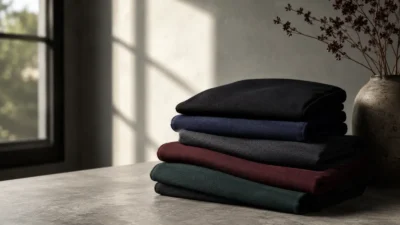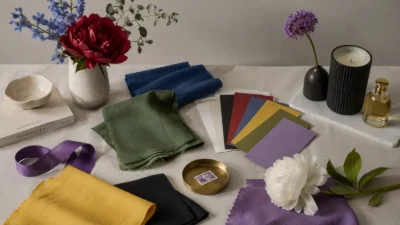

Color is one of the first things people notice about an outfit. Before someone sees the cut of a jacket or the fabric of a dress, they often register red, black, white, blue, green, pink, or another shade.
That is why color symbolism in fashion matters. Clothing color can suggest confidence, restraint, mourning, celebration, rebellion, wealth, softness, professionalism, or belonging. But those meanings are not fixed laws. They depend on culture, time period, occasion, shade, fabric, and the person wearing the clothes.
In the United States today, color works as both style and social signal. A black suit may feel formal. A white wedding dress may suggest tradition. A red dress may read as bold. A navy blazer may feel dependable. Still, each meaning becomes clearer only when we look at context.
Quick Answer
In modern U.S. culture, color symbolism in fashion usually means the way clothing colors communicate mood, identity, status, occasion, or social meaning. Many common readings come from a mix of dye history, religious and social customs, politics, marketing, pop culture, and everyday habit rather than one universal rule.
TL;DR
- Clothing color sends social signals quickly.
- Meanings change by culture, shade, and setting.
- Black can mean mourning, elegance, or authority.
- Red often suggests attention, confidence, or romance.
- White is context-dependent, not always “purity.”
- Trend colors show mood, not permanent meaning.
What Color Symbolism in Fashion Means Today
Color symbolism in fashion is the meaning people attach to the colors of clothing and accessories. It includes what a color suggests emotionally, socially, historically, or culturally.
In everyday U.S. style, people often read clothing colors in fast, practical ways. Black may seem serious. Blue may seem trustworthy. Red may seem bold. White may seem clean or formal. Green may feel natural. Pink may feel soft, playful, romantic, or intentionally ironic.
These meanings are useful, but they are not automatic. A red gown at a gala does not carry the same message as a red sports jersey, a red protest shirt, or a red holiday sweater. A white linen shirt at the beach feels different from a white bridal gown or a white lab coat.
Fashion color works because clothing is public. It sits on the body. It moves through workplaces, ceremonies, streets, schools, weddings, funerals, stadiums, and social media. People notice it because it is both personal and visible.
Why Clothing Colors Carry Meaning Before a Word Is Spoken
Clothing color communicates quickly because humans read visual cues fast. We use color to sort mood, formality, role, group identity, and occasion. This does not mean color controls people’s thoughts. It means color often shapes first impressions.
Several things affect how a clothing color is understood:
- Occasion: Black at a funeral differs from black at a fashion show.
- Shade: Pale pink feels different from hot pink.
- Fabric: Red velvet feels more formal than a red cotton T-shirt.
- Cut: A navy suit reads differently from navy sweatpants.
- Culture: White, red, yellow, or purple may carry different meanings across traditions.
- Personal style: A color can be sincere, ironic, nostalgic, rebellious, or simply practical.
This is where many simple color guides go wrong. They act as if each color has one meaning. Real fashion does not work that way. Color meaning is layered. It comes from history, social habit, media, religion, class, labor, branding, and taste.
The safest way to read clothing color is to ask: where is it being worn, by whom, for what purpose, and with what other style choices?
A Quick Guide to Common Fashion Color Meanings
The table below gives common U.S. readings of major fashion colors. These are not fixed rules. They are starting points for interpretation.
| Color | Common U.S. Fashion Meaning | Important Context |
|---|---|---|
| Red | Confidence, attention, romance, urgency | Can also suggest danger, politics, or performance |
| Black | Formality, elegance, mourning, authority | Also used in rebellion, minimalism, and subcultures |
| White | Cleanliness, bridal tradition, simplicity, freshness | Can also suggest status, restraint, or ceremonial dress |
| Blue | Trust, calm, professionalism, ease | Navy often reads more formal than pale blue |
| Green/Brown | Nature, stability, utility, grounded style | Earth tones often signal comfort or understated taste |
| Pink/Purple/Yellow | Softness, luxury, joy, play, visibility | Meanings shift sharply by shade, era, and wearer |
The most important point is that color rarely speaks alone. A color gains meaning from the full outfit.
Red Clothing: Confidence, Attention, Romance, and Risk
Red is one of the most attention-grabbing colors in fashion. In the United States, it often suggests confidence, passion, romance, glamour, danger, urgency, or power.
That wide range comes from red’s visibility. Red is used for stop signs, warnings, Valentine’s Day, lipstick, carpets at celebrity events, team uniforms, political imagery, and sale signs. When red appears in clothing, it can borrow some of that visual force.
A red dress may look romantic at a date-night dinner. A red suit may look assertive at a public event. Red sneakers may feel sporty or playful. A red tie may suggest command in a business setting, though that meaning can also feel dated or overly deliberate.
Red also changes by shade. Deep burgundy can feel mature and formal. Cherry red feels brighter and more direct. Rust red feels earthy. Neon red can look aggressive or trend-driven.
It is better to say red often invites attention than to say red “means passion” in every outfit. Red is a signal booster. What it boosts depends on the rest of the look.
Black Clothing: Mourning, Authority, Elegance, and Rebellion
Black has one of the most layered histories in Western fashion. It can mean grief, discipline, power, elegance, modesty, rebellion, luxury, or anonymity.
In 19th-century Western mourning customs, black clothing became strongly tied to bereavement, especially for women. Mourning dress involved social rules about fabric, shine, ornament, and how long black should be worn. This history still shapes why black is considered appropriate at many funerals in the United States.
But black did not stay only a mourning color. It also became a fashion color of polish and control. A black suit, black dress, black coat, or black evening gown can feel formal and restrained. In modern style, black often suggests that the wearer wants a look that is serious, versatile, and hard to distract from.
Black can also carry subcultural meaning. Punk, goth, metal, avant-garde fashion, and minimalist style have all used black in different ways. In those settings, black may reject cheerfulness, resist convention, or create a strong visual identity.
This is why black should not be reduced to sadness. In fashion, black often means control over the message. It can mourn, command, conceal, simplify, or dramatize.
White Clothing: Purity, Fresh Starts, Minimalism, and Visibility
White is often linked with purity in U.S. wedding culture, but that is only one part of its meaning. White clothing can also suggest simplicity, cleanliness, privilege, summer ease, spiritual seriousness, or careful restraint.
A white wedding dress has become a powerful symbol in the United States, though wedding customs vary widely. The color can suggest tradition, formality, family expectation, personal taste, or a specific bridal ideal. It should not be treated as a universal rule for marriage or womanhood.
Outside weddings, white often reads as fresh and minimal. A white shirt can feel crisp. A white suit can feel bold because it is visible and hard to keep spotless. White linen can suggest warm weather and ease. White sneakers can suggest casual cleanliness, at least when new.
White also has practical and social meanings. Because it stains easily, it can imply care, status, or a setting where the wearer does not expect heavy labor. In uniforms, white may suggest hygiene or service, especially in medical, culinary, or ceremonial contexts.
Like black, white gains meaning from contrast. A plain white T-shirt and a formal white gown are not saying the same thing.
Blue, Green, and Brown: Trust, Nature, Stability, and Everyday Ease
Blue is one of the safest colors in American fashion. Navy suits, blue shirts, denim, and blue uniforms have made it feel familiar and dependable. It often suggests calm, trust, professionalism, and steadiness.
Navy is especially important in workwear because it feels formal without being as severe as black. Pale blue can feel softer and more approachable. Denim blue carries a different history: workwear, youth culture, casual style, and American everyday life.
Green often suggests nature, renewal, health, money, or luck in U.S. contexts. A forest green coat can feel classic. Olive green may suggest utility, military influence, or outdoor clothing. Bright green can look playful, sporty, or trend-forward.
Brown and earth tones have become especially visible in recent fashion because they suggest warmth, comfort, and grounded style. Tan, camel, chocolate, taupe, and beige can read as practical or luxurious depending on fabric and cut. A camel coat may suggest classic polish. Brown work boots may suggest durability. A soft brown sweater may suggest comfort.
These colors often feel less dramatic than red, black, or white. Their symbolism works through steadiness, familiarity, and ease.
Pink, Purple, and Yellow: Gender, Luxury, Joy, and Changing Codes
Pink is one of the clearest examples of how fashion color meanings change. Today, many Americans associate pink with femininity, romance, girlhood, sweetness, breast cancer awareness, softness, or playful confidence. But those meanings are not timeless. They developed through shifting fashion, marketing, gender norms, and popular culture.
Pale pink can feel gentle or nostalgic. Hot pink can feel loud, rebellious, glamorous, or campy. Dusty pink can feel romantic and adult. On menswear, pink may read as preppy, confident, gender-fluid, or simply stylish, depending on the garment.
Purple has long been linked with luxury, rank, ceremony, and creativity. Part of this comes from the historic cost of some purple dyes. When purple was difficult or expensive to produce, it could signal wealth or elite access. Later synthetic dyes helped make vivid purples more widely available, changing purple from rare status marker to fashion color.
Yellow is different. It is bright, visible, and emotionally unstable in symbolism. It can suggest joy, sunlight, optimism, youth, caution, illness, cowardice, or eccentricity depending on context. A butter-yellow cardigan feels soft and cheerful. A neon yellow jacket feels practical, sporty, or high-alert. A golden yellow gown may feel celebratory.
Pink, purple, and yellow show why fashion color symbolism must be historical. A color’s meaning can move from elite to ordinary, feminine to rebellious, cheerful to cautionary, or trendy to classic.
How History Changed the Meaning of Color in Clothes
Color symbolism in fashion has never been only about emotion. It has also been about access.
For much of history, color depended on materials, labor, trade, and money. Some dyes were expensive. Some faded quickly. Some required specialized knowledge. A color could signal status simply because not everyone could afford it.
That is one reason purple became tied to rank and luxury in many Western histories. The color’s symbolic weight came partly from scarcity and cost. It was not just “mysterious.” It was hard to make, hard to buy, and connected to power.
Clothing laws also shaped color meaning. In some societies, rules limited who could wear certain fabrics, trims, or colors. These laws were not just about taste. They were about social order. Clothing color helped make class visible.
The 19th century changed color dramatically. Synthetic dyes made brighter colors easier to produce and sell. Colors that once felt rare could become fashionable for wider groups of people. This changed the relationship between color and class.
Modern mass fashion changed it again. Today, many Americans can buy clothing in almost any color. That does not erase symbolism, but it shifts the meaning. A color is less likely to prove legal rank or dye access. It is more likely to signal mood, taste, identity, brand, occasion, or trend awareness.
How Americans Use Fashion Color Now
In the United States, clothing color is often read through occasion. People may not think of it as symbolism, but they still use color codes every day.
Common U.S. examples include:
- Workwear: Navy, gray, black, white, and muted tones often signal professionalism.
- Weddings: White, ivory, blush, black, navy, and seasonal colors carry strong etiquette meanings.
- Funerals: Black and dark colors often suggest respect, though customs vary.
- Holidays: Red and green for Christmas, orange and black for Halloween, pastels for Easter, and red, white, and blue for patriotic events.
- Sports: Team colors create belonging and rivalry.
- Politics: Red, blue, purple, and green may carry public associations beyond fashion.
- Awareness campaigns: Pink ribbons, red dresses, purple ribbons, and other color-coded campaigns link clothing to causes.
- Branding: Fashion labels use color to signal luxury, youth, minimalism, sustainability, or heritage.
- Social media: Trend colors spread quickly through outfit posts, celebrity looks, and seasonal edits.
This modern use is flexible. A person may wear green because they love the color, because it flatters them, because it matches a holiday, because it supports a team, or because it fits a current trend.
That flexibility matters. A color can have meaning without having only one meaning.
Where Color Symbolism Gets Oversimplified
Color symbolism becomes misleading when it turns into a fixed personality test. Wearing black does not prove someone is sad. Wearing red does not prove someone is aggressive. Wearing pink does not prove someone is gentle. Clothing is more complex than that.
Another problem is cultural flattening. Color meanings vary across religious traditions, national histories, mourning customs, political movements, and local communities. A color used in a sacred, ceremonial, or identity-based setting should not be treated as a decorative mood board.
Trend culture can also exaggerate meaning. A color may become popular because designers, retailers, celebrities, and social platforms repeat it. That does not automatically mean the color has a deep symbolic message. Sometimes a trend color reflects season, nostalgia, economic mood, or simple visual novelty.
There is also a difference between personal interpretation and shared meaning. If someone wears yellow after a hard year because it feels hopeful, that personal meaning is real for them. But it should not be presented as a universal truth about yellow clothing.
The most responsible way to read fashion color is with humility. Color can suggest, frame, and influence. It rarely proves.
FAQs
What does color symbolism in fashion mean?
It means the way clothing colors suggest mood, identity, occasion, status, or cultural meaning. These meanings come from history, social habits, religion, media, marketing, and personal style rather than one fixed rule.
What clothing color symbolizes confidence?
Red often symbolizes confidence because it is bright, visible, and culturally linked with attention and boldness. Black, white, and strong blue can also look confident when the outfit is structured and worn in the right setting.
Does wearing black always mean sadness?
No. Black can mean mourning, but it can also suggest elegance, authority, minimalism, rebellion, privacy, or formality. The setting matters more than the color alone.
What does white symbolize in fashion?
White can symbolize freshness, simplicity, ceremony, cleanliness, or bridal tradition in the United States. It can also signal restraint or status because white clothing is highly visible and easy to stain.
Are fashion color meanings the same in every culture?
No. Color meanings change across cultures, religions, regions, and time periods. A color used for celebration in one setting may carry mourning, sacred, political, or ceremonial meaning in another.
What color should I wear to look professional?
Navy, gray, black, white, and muted earth tones often read as professional in many U.S. workplaces. The best choice also depends on the industry, dress code, season, fabric, and fit.
Are fashion color trends symbolic?
Sometimes, but not always. Trend colors can reflect mood, nostalgia, marketing, runway cycles, or social media taste. They should be read as current style signals, not permanent symbolic meanings.
Conclusion
Color in fashion works because it is visible, personal, and social at the same time. A single shade can carry history, mood, class memory, religious meaning, trend value, or private emotion.