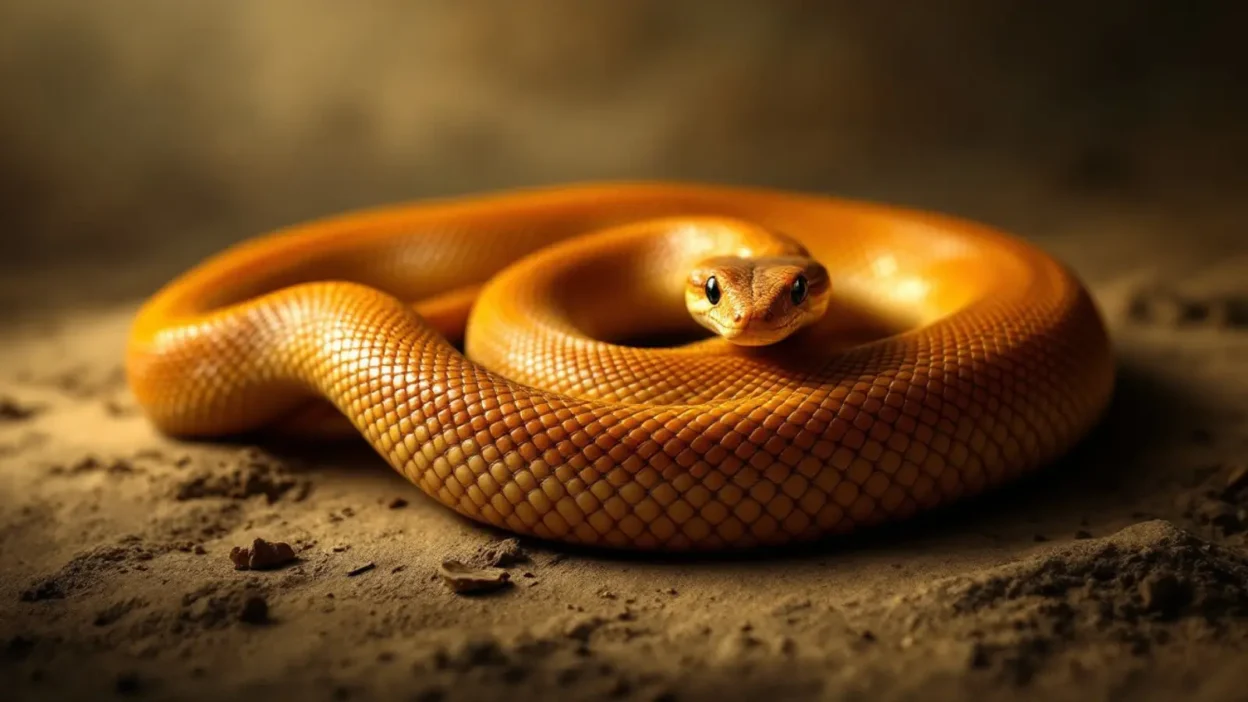
Snakes are among the most complicated symbols people still use. The snake symbolism meaning most readers look for today usually centers on transformation, danger, healing, hidden knowledge, temptation, and personal change.
That range exists because snakes sit close to human fear and human curiosity. They move without limbs, shed their skin, appear suddenly, and can be venomous. Those traits made them easy to turn into symbols long before modern tattoos, jewelry, horror films, and wellness imagery reused them.
In the United States, snake imagery can feel spiritual, edgy, medical, patriotic, gothic, protective, or threatening. The meaning depends on where the snake appears, who is using it, and which tradition or story is being referenced.
Quick Answer
In modern U.S. culture, snake symbolism meaning most often points to transformation, danger, healing, temptation, wisdom, or personal renewal. Historically, those meanings grew from real snake traits such as shedding skin, venom, secrecy, and sudden movement, but different religions and cultures read those traits in very different ways.
TL;DR
- Snakes often symbolize change, danger, healing, and wisdom.
- Skin shedding shaped many renewal meanings.
- Biblical meanings are not only negative.
- Snake tattoos often signal survival or transformation.
- U.S. rattlesnake imagery has political history.
- Context matters more than one fixed meaning.
What Snake Symbolism Refers To
Snake symbolism refers to the way people use snakes as signs, images, stories, or designs that mean more than the animal itself. A snake in a medical logo, a tattoo, a Bible story, a zodiac poster, or a horror scene does not carry the same message every time.
The symbol may be a realistic snake, a coiled serpent, a cobra, a rattlesnake, a snake biting its tail, or a snake wrapped around a staff. It may appear in jewelry, flags, paintings, dream interpretation, religious teaching, fashion, video games, album art, or home decor.
The word “serpent” often sounds older or more formal than “snake.” In symbolic writing, both usually refer to the same basic animal image, but “serpent” is more common in religious, mythic, and poetic contexts.
The Core Meaning Today: Change, Danger, and Wisdom
For a general U.S. audience, the most common meanings are transformation, danger, healing, temptation, secrecy, wisdom, and survival. These meanings can be positive or negative. A snake is rarely a flat symbol.
The renewal meaning comes mostly from shedding skin. The danger meaning comes from venom, stealth, and fear of being bitten. The wisdom meaning comes from ancient stories where snakes guard knowledge, live close to the earth, or cross boundaries between life, death, and healing.
| Context | Common Meaning | What Changes the Reading |
|---|---|---|
| Tattoo | Survival, rebirth, protection | Style, placement, paired symbols |
| Medical symbol | Healing, medicine, recovery | Staff type and institutional use |
| Religious story | Temptation, wisdom, danger, healing | Tradition and passage |
| Jewelry or decor | Mystery, elegance, renewal | Design style and setting |
| Flag or emblem | Warning, independence, defiance | Historical and political context |
The safest way to read a snake symbol is to ask what the image is doing. Is it warning? Healing? Protecting? Tempting? Marking a new beginning? The setting usually gives the answer.
Why Snakes Became Such Loaded Symbols
Snakes became symbolically important because they are visually and emotionally hard to ignore. Many people feel alert when they see one. That response may come from a mix of real danger, learned fear, and long human experience with venomous animals.
Their bodies also invite interpretation. A snake can coil into a circle, hide in grass, disappear underground, climb, swim, strike, and shed its skin. Each of those traits became a metaphor.
A coiled snake can suggest stored power. A shedding snake can suggest renewal. A venomous snake can suggest danger or medicine, because venom can harm but also led people to think about antidotes, cure, and controlled power. A snake under the ground can suggest hidden knowledge, death, or the unseen world.
This does not mean every culture read snakes the same way. It means the animal offered strong material for symbolism, and different communities shaped that material through their own stories.
Ancient Roots: Rebirth, Protection, and Cycles
One of the oldest snake meanings is renewal. The reason is easy to see. A snake sheds an outer skin and appears visually refreshed. Ancient people did not need modern biology to notice that striking change.
This helped snakes become linked with rebirth, youth, immortality, and cycles. The snake biting its own tail is one of the clearest examples. It usually represents a cycle that consumes and renews itself. In later Western use, it became popular in alchemy, esoteric art, and modern tattoos.
Snakes also served as protective symbols in some ancient settings. A raised cobra could stand for royal force and divine protection. In other places, serpents appeared in art connected with the earth, water, fertility, or the border between life and death.
These meanings should not be treated as one universal ancient belief. Ancient Egypt, Greece, Mesoamerica, South Asia, and other regions had different snake traditions. Some honored serpents, some feared them, and many did both at once.
Religious Meanings: Temptation, Healing, and Sacred Power
In many American minds, the snake first brings up the Garden of Eden. In that story, the serpent is linked with cunning, temptation, disobedience, and the painful cost of seeking forbidden knowledge. Later Christian interpretation often made the serpent a sign of evil or Satan, but that connection developed through interpretation over time.
The Bible also contains more than one snake meaning. The bronze serpent story connects a lifted serpent image with healing after snakebite. Later Christian reading connects that image with salvation and the cross. This is why it is too simple to say that snakes are “only evil” in biblical symbolism.
In Greek-linked medical tradition, the serpent around the staff became tied to healing through the figure of a medicine god. That image remains important in health care today, though it is sometimes confused with another winged-staff symbol.
In Hindu, Buddhist, and other Asian traditions, serpents can be connected with protection, cosmic order, water, wisdom, or spiritual power. These are living religious and cultural meanings, not just decorative themes. They should be treated with care rather than borrowed as vague “mystical” shorthand.
Snake Symbolism in the United States
In the United States, snake meaning has several major streams. One comes from Christian storytelling and European art, where the snake often suggests temptation, sin, danger, or deceit. Another comes from medicine, where the snake can mean healing and professional care.
A third stream is the rattlesnake as an American political symbol. During the Revolutionary era, the rattlesnake became an image of colonial unity, warning, and resistance. The message was clear: do not attack, and you will not be harmed; tread on it, and it will strike.
That older American meaning still appears in flags, patches, military-style graphics, and political merchandise. But its modern use can be contested. Some people read it as liberty and self-defense. Others associate certain uses with anti-government politics, extremism, or exclusionary movements. The symbol’s history does not erase its modern reception.
Snakes also appear in U.S. sports mascots, outdoor brands, tattoo culture, biker aesthetics, music imagery, Halloween design, and Southwestern decor. In each case, the snake may carry a different mix of toughness, danger, independence, and survival.
Cross-Cultural Meanings Without Flattening Them
Snake symbolism is broad, but broad does not mean universal. Many cultures connect snakes with knowledge, renewal, fertility, healing, danger, or the underworld. The details matter.
In parts of Mesoamerican tradition, feathered serpent imagery linked earth and sky, rain, rulership, and sacred order. In some ancient Mexican art, serpents carried multiple meanings rather than one simple message. In some Native American traditions, rattlesnakes may be treated with respect and caution because of their power, danger, and spiritual role.
In Chinese zodiac use, the snake can suggest wisdom, charm, strategy, mystery, and transformation. The 2025 Year of the Wood Snake brought that symbolism back into public design, products, celebrations, and cultural explainers. Even there, attitudes are mixed; some people admire the snake, while others see the year as less appealing than dragon or tiger years.
A careful article should not turn all of this into “the snake means wisdom everywhere.” It is better to say that snakes often become symbols of boundary-crossing: between danger and cure, fear and respect, death and renewal, hiddenness and knowledge.
Snake Tattoos and Personal Identity
Snake tattoos are popular because they can carry tension without needing a lot of explanation. A snake can look beautiful and threatening at the same time. That makes it useful for people who want a design about survival, self-protection, recovery, or change.
A snake tattoo may mean that someone has outgrown an old life. It may mark healing after a hard period. It may also suggest independence, sensuality, secrecy, or a warning not to cross personal boundaries.
The details matter. A snake with flowers softens the design and often adds beauty, growth, or grief. A snake with a dagger can suggest betrayal, defense, or conflict. A snake biting its tail points toward cycles, endings, and beginnings. A rattlesnake leans more toward warning and American defiance.
Tattoo meaning is personal, so no outside reader can fully define it. The best interpretation comes from the wearer, not from a fixed symbol dictionary.
Snakes in Decor, Jewelry, Fashion, and Branding
In decor and fashion, snakes often lose some of their religious weight and become style symbols. They can suggest elegance, danger, mystery, luxury, or transformation. A thin gold snake ring feels different from a horror poster snake or a rattlesnake flag.
Jewelry has used snake forms for a long time because the body of a snake naturally fits bracelets, rings, necklaces, and armlets. A coiled shape can wrap the wrist or finger in a way that feels both ornamental and symbolic.
Brands use snakes when they want an image that feels alert, sleek, bold, or risky. Beauty, fragrance, sportswear, music, and gaming visuals often use the snake for edge and drama. This can work well, but it can also flatten older meanings into a surface look.
In home decor, snake imagery is usually aesthetic rather than devotional. It may signal gothic taste, desert influence, natural history interest, or a love of unusual animal forms. Context decides whether the image feels protective, eerie, elegant, or rebellious.
Dreams, Omens, and Spiritual Readings
Many people search snake meanings because they saw a snake in a dream or in daily life. These readings belong to belief, folklore, psychology, or personal interpretation. They should not be presented as proven messages.
In dream interpretation, snakes are often read as fear, change, hidden conflict, desire, healing, or intuition. The emotional tone matters. A calm snake in a dream feels different from a snake that attacks. A shedding snake may suggest change, while a hidden snake may suggest something avoided.
Omen beliefs also vary. Some traditions treat seeing a snake as a warning. Others may treat it as a sign of protection, ancestral presence, or change. In modern U.S. use, many people blend folklore, spirituality, therapy language, and internet symbolism.
A grounded reading is simple: a snake image may help someone think about fear, boundaries, renewal, or instinct. It does not prove that a specific event will happen.
Misuse, Oversimplification, and How Meaning Changes
Snake symbolism is often oversimplified. One common mistake is saying snakes are either evil or sacred. Another is claiming that every ancient culture saw snakes as the same symbol of rebirth. Both claims erase real differences.
A second problem is borrowing sacred serpent imagery as decoration without understanding its living context. Not every serpent image is available as a neutral aesthetic. Some belong to religious practice, Indigenous knowledge, or specific cultural history.
Modern political use can also change a snake symbol’s reception. A rattlesnake emblem may begin as a revolutionary warning, then later appear in movements that give it new emotional weight. People may disagree about the same image because they are responding to different parts of its history.
The best interpretation stays specific. A snake means one thing on a medical emblem, another in a church painting, another on a tattoo, and another on a protest flag. The symbol changes because people keep reusing it.
FAQs
What does a snake symbolize most often?
A snake most often symbolizes transformation, danger, healing, wisdom, temptation, or hidden knowledge. The exact meaning depends on the setting, because a snake in a medical symbol does not mean the same thing as a snake in a dream or tattoo.
Is snake symbolism positive or negative?
It can be either. Positive meanings include renewal, healing, protection, wisdom, and survival, while negative meanings include deceit, threat, temptation, and fear. Many snake symbols hold both at once.
What does a snake tattoo mean?
A snake tattoo often means personal transformation, resilience, protection, or a warning about boundaries. Design details change the reading, so a floral snake, dagger snake, cobra, rattlesnake, or ouroboros may each suggest something different.
What does a snake mean spiritually?
Spiritually, snakes may be interpreted as signs of renewal, life force, protection, wisdom, or hidden fear. These meanings vary by tradition, and modern spiritual readings should not be treated as universal religious facts.
What does the snake mean in Christianity?
In Christianity, the snake is often linked with temptation through the Eden story, but biblical snake imagery is more varied. The bronze serpent story connects a serpent image with healing, and later Christian interpretation connects it with salvation.
Why are snakes linked with healing?
Snakes are linked with healing partly because of ancient medical traditions and partly because shedding skin suggested renewal. The serpent around a staff remains one of the best-known medical symbols today.
What does seeing a snake mean?
Seeing a real snake usually means you should stay calm, keep distance, and respect the animal. Symbolically, some people read it as a warning, a sign of change, or a reminder of boundaries, but those are interpretations rather than proven messages.
Conclusion
The clearest meaning of the snake is change under pressure. It can represent renewal, danger, healing, wisdom, temptation, or self-protection because real snakes invite both fear and respect.
The snake symbolism meaning depends on context more than any single definition. A snake in a tattoo, a religious story, a medical emblem, a zodiac design, or a flag carries different layers.