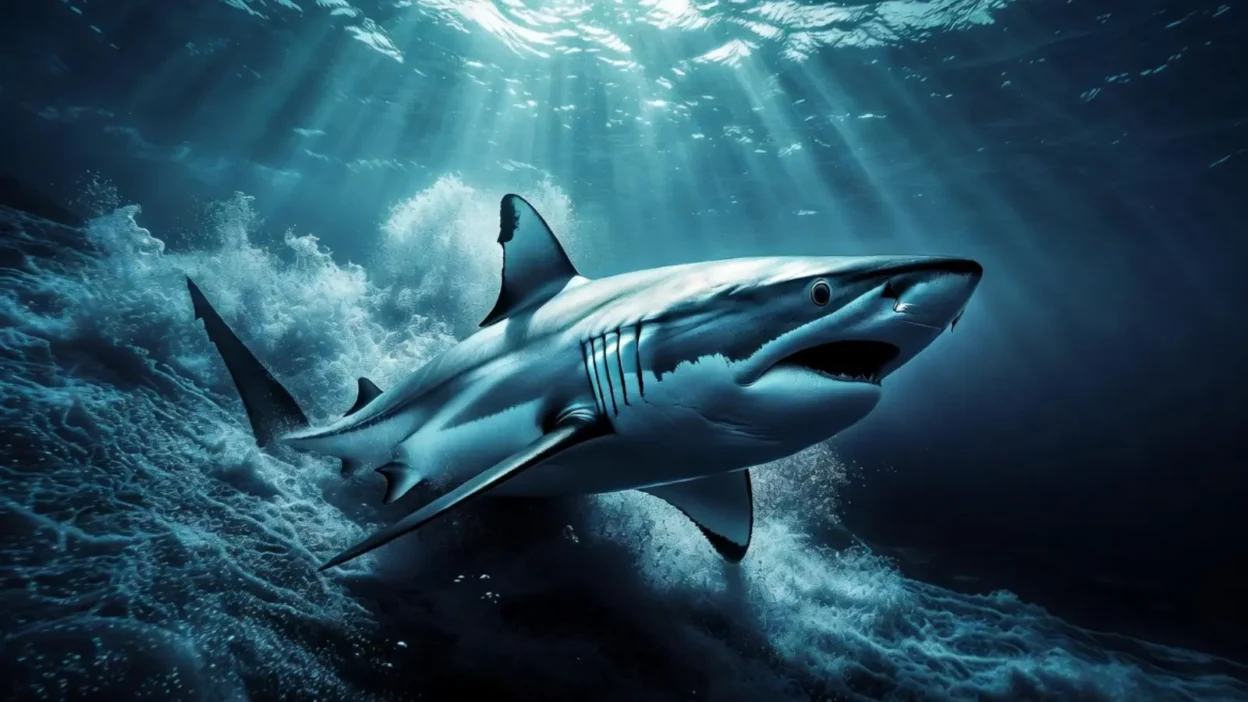
Sharks have captured human attention for centuries, appearing in stories, warnings, and symbols across coastal societies. In the United States, most people first meet them through movies, nature shows, or perhaps a striking tattoo on a friend or stranger. These ancient fish, with their sleek bodies and constant motion, represent something primal about survival in an unpredictable world.
People turn to shark symbolism when they need reminders about facing challenges head-on. In a culture that values hustle, resilience, and self-reliance, the shark offers a clear model: keep moving, stay alert, and commit fully to your direction. This meaning feels especially relevant in fast-paced American life, where uncertainty in careers, relationships, and personal goals is common.
Quick Answer
In the United States today, shark symbolism meaning centers on personal power, instinctual decision-making, and relentless forward movement. These ideas draw from the shark’s real biology as an efficient hunter but have been shaped heavily by movies, self-improvement culture, and respect for ocean traditions. While some Pacific cultures view sharks as ancestral protectors, American usage often emphasizes individual resilience over communal or spiritual guardianship.
TL;DR
- Sharks symbolize survival instincts and determination.
- Hawaiian traditions see them as family guardians.
- Jaws movie amplified fear associations in the US.
- Popular in tattoos for strength and adaptability.
- Biology of constant motion inspires “keep going” messages.
- Modern views balance awe with conservation awareness.
What Sharks Represent Today in American Culture
For many Americans, a shark stands for confidence and the willingness to act decisively. Businesspeople might describe a tough negotiator as a “shark,” highlighting sharp instincts and competitive edge. This usage is straightforward and practical rather than deeply spiritual.
Sports teams adopt shark mascots or logos to project speed, aggression, and dominance. In motivational talks and social media content, shark imagery encourages viewers to push through setbacks without hesitation. These contemporary meanings prioritize empowerment and mental toughness, making the symbol accessible for personal development.
The appeal lies in its simplicity. Unlike symbols that require extensive study, shark symbolism translates easily into daily advice: stay focused, adapt quickly, and move toward your goals. This practicality explains its popularity in American self-help spaces.
The Biology Behind the Symbol
Shark symbolism gains strength from real characteristics of these animals. Many species must swim continuously to force water over their gills, creating a natural association with persistence and forward momentum. Stopping is not an option for long.
Their sensory abilities add layers too. Sharks detect electrical fields from prey and follow faint scent trails across vast distances. This translates symbolically into heightened awareness and intuition. People often link these traits to trusting gut feelings in uncertain situations.
Fossil records show sharks have survived multiple mass extinctions with minimal changes over 400 million years. This endurance supports ideas about adaptability and long-term survival. Yet biology also introduces nuance. Not all sharks are aggressive hunters—whale sharks feed peacefully on plankton, and many species avoid humans entirely. Symbolism tends to emphasize the dramatic great white or tiger shark while overlooking gentler varieties. This selective focus shows how humans shape symbols to fit emotional needs rather than complete scientific pictures.
Roots in Pacific Island Traditions
Some of the most established shark symbolism comes from Hawaiian and broader Polynesian cultures. In Hawaii, certain sharks act as ‘aumakua—ancestral guardian spirits connected to specific families. These are not generic symbols but individual sharks recognized by appearance, behavior, and territory. Families might feed or offer respect to their ‘aumakua, viewing them as deceased relatives returned to protect the living.
Legends describe shark gods like Kamohoali’i, brother to the volcano goddess Pele, who guided voyaging canoes safely across the ocean. Stories tell of sharks leading fishermen to abundant catches or warning of approaching storms. These relationships involved reciprocity—humans showed respect through rituals, and sharks provided guidance and protection in return.
This tradition treats sharks as kin rather than distant forces. Killing one’s ‘aumakua was considered a serious violation. Such beliefs reflect deep knowledge of the ocean environment and the need for balance between humans and marine life. These practices continue today among many Native Hawaiian families, though they coexist with modern life and other faiths.
Other Cultural Perspectives
Māori communities in New Zealand also hold sharks in high regard. Designs inspired by shark teeth (niho mako) appear in traditional ta moko tattoos, symbolizing strength, leadership, and resilience. The hammerhead shark motif, or mangō pare, represents victory over obstacles and unyielding determination in battle or life challenges.
In other Pacific Island societies, shark imagery conveys protection for navigators and warriors. Torres Strait Islanders have traditions linking sharks to courage and wisdom. These meanings stay rooted in local environments where sharks play real roles in fishing and seafaring.
Outside the Pacific, views differ. Some coastal African traditions emphasize caution and respect for ocean powers. Ancient Mediterranean sailors saw sharks mainly as threats during shipwrecks. Native American coastal groups have varied stories, but shark symbolism was never as central as in Polynesia. This diversity shows that meanings develop from direct interaction with the animal in specific places rather than spreading uniformly across cultures.
From Ocean Threat to Pop Culture Icon
Early European and American encounters with sharks were largely practical. Sailors viewed them as scavengers that followed ships, sometimes posing dangers after disasters. Accounts from whaling eras describe both fear and resourcefulness—sharks provided food, tools from teeth, and oil in some cases.
The 1975 release of Steven Spielberg’s Jaws changed everything. The film portrayed a great white shark as an unrelenting force of terror, tapping into fears of the unknown ocean depths. It created a lasting cultural image of sharks as mindless killers lurking just below calm surfaces. This depiction boosted beach safety awareness but also fueled decades of negative stereotypes and shark hunting.
Subsequent movies and media reinforced this fear-based view. Yet starting in the 1990s, conservation documentaries began shifting opinions. Programs highlighting sharks’ ecological importance—as apex predators maintaining ocean balance—introduced counter-narratives. Many Americans now hold both images simultaneously: the movie monster and the vital, misunderstood sea creature.
Shark Symbolism in Dreams and Intuition
Dreams involving sharks frequently connect to feelings of vulnerability or the need to confront challenges. A shark circling a swimmer might represent anxiety about hidden threats in waking life, such as work pressure or personal conflicts. Swimming alongside a shark without harm could suggest growing confidence in handling difficult situations.
Psychological interpretations often see sharks as symbols of the unconscious—raw instincts or emotions that demand attention. Jungian perspectives sometimes link them to primal survival drives that push individuals toward authenticity.
These readings are personal and subjective. Dream symbolism lacks universal rules and works best as a reflection tool rather than prediction. Cultural background influences interpretation too; someone familiar with Hawaiian traditions might view a helpful shark dream differently than someone shaped primarily by Jaws.
Sharks in Tattoos, Fashion, and Personal Identity
Shark tattoos have become a popular choice for expressing resilience and personal strength. Designs range from realistic portraits of great whites to stylized Polynesian patterns featuring shark teeth (niho mano). The triangular tooth motifs often symbolize protection, adaptability, and guidance. Many wearers choose them after overcoming hardships like illness, career changes, or loss.
In Hawaiian-inspired designs, shark teeth can represent family protection or warrior spirit. However, when these patterns appear outside their cultural context, questions of appreciation versus appropriation arise. Respectful tattoo artists research meanings and collaborate with knowledgeable practitioners.
Beyond tattoos, shark imagery shows up in activewear brands promoting performance and mental toughness. Motivational posters, phone cases, and gym decor use shark silhouettes to reinforce messages about persistence. These commercial applications make the symbol part of everyday identity for many Americans seeking visual reminders of inner strength.
The Duality of Power and Danger
| Aspect | Positive Interpretation | Challenging Interpretation |
|---|---|---|
| Constant Motion | Relentless drive toward goals | Difficulty with rest or reflection |
| Sharp Instincts | Decisive action and awareness | Risk of impulsive or aggressive responses |
| Raw Power | Personal empowerment and resilience | Potential for overwhelming others |
| Ocean Presence | Ecological balance and natural order | Source of fear and unpredictability |
| Cultural Role | Ancestral guardian and guide | Stereotyped as villain in media |
| Human Response | Inspiration for focus and adaptation | Anxiety or trauma from negative portrayals |
This comparison shows how the same shark qualities can support growth or create tension depending on context and individual experience.
Conservation and Changing Views
Rising awareness of shark population declines has added new dimensions to their symbolism. Overfishing, finning, and bycatch threaten many species, prompting campaigns that encourage respect rather than fear. In the US, educational efforts in schools and aquariums teach that sharks are complex animals essential to healthy oceans.
This shift influences symbolism by blending awe with responsibility. People now associate sharks with environmental stewardship alongside personal power. Documentaries featuring scientists and Indigenous knowledge holders help bridge cultural perspectives and modern conservation needs. Younger generations particularly embrace this balanced view, seeing shark protection as part of broader climate awareness.
Common Misconceptions and Oversimplifications
Several misunderstandings persist around shark symbolism. New-age and self-help content sometimes presents sharks as carrying universal ancient spiritual energy without acknowledging specific cultural origins or the diversity of beliefs. This flattens rich traditions into generic motivational tools.
Media influence leads some to assume all sharks are dangerous man-eaters, ignoring behavioral science showing most species pose little threat to humans. Tattoo designs inspired by Polynesian styles occasionally lose original meaning when chosen purely for aesthetics.
Another issue involves over-romanticizing Indigenous relationships while ignoring practical historical uses of sharks for food and materials. Clear distinctions between living traditions, historical facts, and modern adaptations help maintain accuracy and respect.
Living with Shark Energy in Daily Life
Applying shark symbolism practically does not require spiritual belief. Many Americans use it as a mindset: commit fully to important tasks without constant doubt, trust well-honed instincts, and adapt when conditions change. This approach suits goal-oriented cultures where persistence often determines outcomes.
Parents might share shark stories with children to encourage bravery in new situations. Professionals facing tough decisions can draw on the image of steady forward motion. The key is grounding the symbol in reality—recognizing both strengths and limitations rather than seeking superhuman qualities.
Shark symbolism ultimately works because it connects observable animal behavior with human experiences of challenge and growth. It offers a straightforward model for navigating life’s currents.
FAQs
What is the most common meaning of shark symbolism in the US?
It typically represents determination, sharp instincts, and the drive to keep progressing. This draws from both biology and contemporary self-improvement ideas popular in American culture.
Do shark tattoos have specific cultural meanings?
Many incorporate Polynesian or Hawaiian elements symbolizing protection and strength. Personal interpretations often focus on resilience. Understanding original contexts shows respect when choosing such designs.
Are sharks positive or negative symbols?
They embody both power and potential danger. Positive readings emphasize survival and focus, while negative ones stem from fear or media portrayals. The balance depends on individual and cultural perspective.
What does a shark mean in Hawaiian culture?
Sharks can serve as ‘aumakua—specific ancestral guardians for families. They offer protection, guidance, and connection to ancestors rather than broad motivational energy.
How has Jaws affected shark symbolism?
The film strongly linked sharks to terror and unpredictability for American audiences. It increased fear but later contributed to conservation awareness that softened the image.
Can shark symbolism help with fear or anxiety?
Many use it as motivation to face challenges directly and trust preparation. It encourages moving through uncertainty rather than avoiding it.
Is shark symbolism connected to dreams?
Shark dreams often highlight anxieties, important decisions, or instincts needing attention. Interpretations vary widely and serve best as starting points for personal reflection.
Conclusion
Shark symbolism meaning has developed through real animal traits, rich Pacific cultural traditions, and modern American experiences with film, tattoos, and self-development. It offers practical lessons about persistence and awareness while carrying deeper historical layers.
In the United States, shark symbolism meaning continues to evolve as people balance fear with respect and individual drive with environmental responsibility. The symbol remains compelling because it reflects genuine aspects of survival and adaptation in an uncertain world.
Understanding these layers transforms a simple image of ocean power into a thoughtful tool for reflection and motivation.