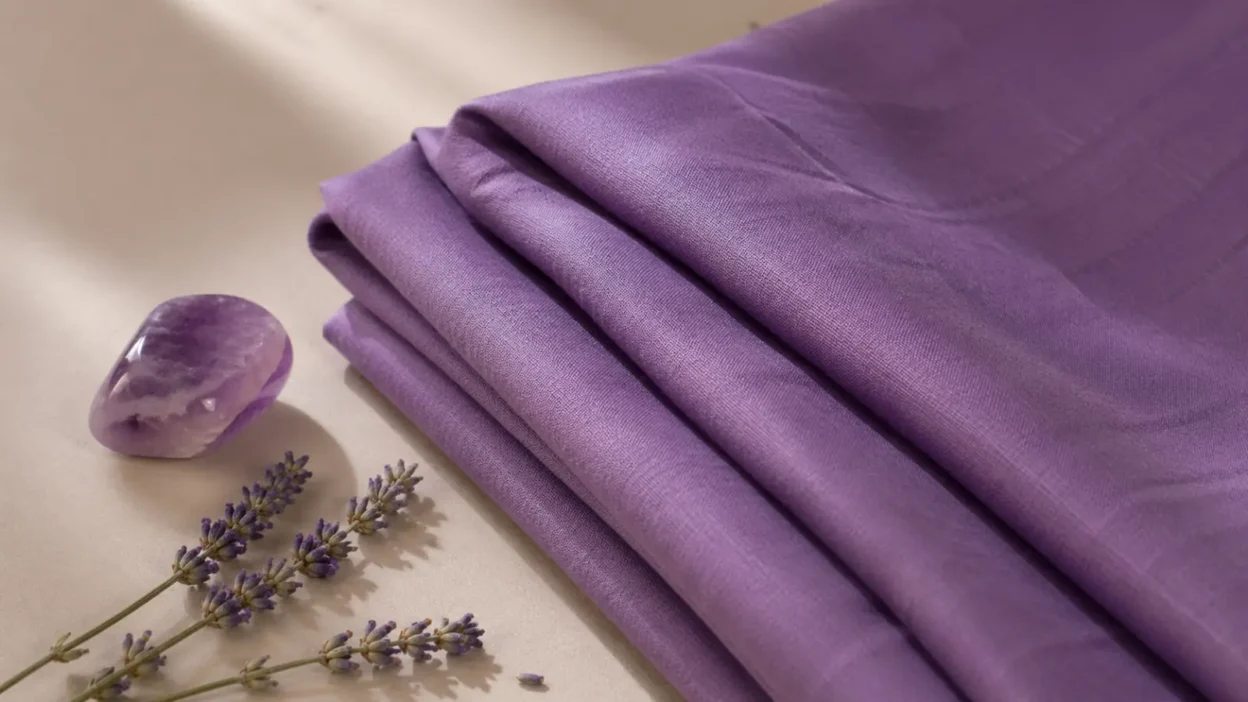
Purple is one of the few colors that can feel formal, imaginative, solemn, and playful depending on where it appears. Purple color symbolism often begins with royalty and wealth, but that is only one part of the story.
In the United States today, purple shows up in churches, awareness campaigns, military honors, weddings, sports uniforms, beauty products, fantasy art, political commentary, and pride flags. It can suggest dignity in one setting and creative weirdness in another.
That range is why purple is easy to overstate. Its meanings are real, but they are not universal. Most come from a mix of material history, religious use, modern design, and repeated cultural habit.
Quick Answer
In modern U.S. culture, purple color symbolism most often points to royalty, dignity, creativity, spirituality, luxury, and individuality. Its older link to status came from rare and costly purple dyes, while newer meanings come from religion, awareness movements, fashion, branding, and personal expression.
TL;DR
- Purple often suggests royalty, dignity, and luxury.
- Lavender usually feels softer, calmer, and more romantic.
- Christian use often links purple with Lent and Advent.
- U.S. awareness campaigns use purple for support and remembrance.
- Spiritual meanings are interpretations, not universal facts.
- Context decides whether purple feels elegant, mystical, or somber.
What Purple Usually Means Today
The most common modern meaning of purple is elevated importance. It can signal dignity, creativity, ceremony, luxury, spirituality, or a taste for the unusual.
That does not mean every purple object “means” royalty. A purple hoodie may simply be a favorite color. A purple logo may be trying to look bold or premium. A purple ribbon may point to a specific cause. The color’s meaning depends on the setting.
For a U.S. reader, purple often carries four main associations:
- status and ceremony
- imagination and creativity
- spirituality or reflection
- support for a cause or identity
These meanings overlap because purple sits between red and blue in ordinary color mixing. People often read it as a blend of energy and calm, warmth and coolness, action and thought. That idea is modern and interpretive, but it helps explain why purple feels flexible.
The Material Reason Purple Became Royal
Purple’s royal meaning did not begin as an abstract idea. It began with scarcity.
In the ancient Mediterranean world, some prized purple dyes came from sea snails. Producing a rich purple cloth required labor, skill, and access to materials that were not easy to gather. Because the dye was expensive, purple-dyed clothing became a visible sign of wealth and rank.
This is the clearest historical root of purple’s status symbolism. The color did not become royal because people randomly decided it looked majestic. It became royal because only powerful people could afford it in certain societies.
Over time, that material fact turned into a symbolic habit. Purple clothing, purple ink, and purple ceremonial objects became linked with rulers, religious leaders, and high office. Even after purple became easier to produce, the memory of rarity stayed attached to the color.
That is why purple still feels formal in settings like robes, banners, awards, velvet interiors, and luxury packaging.
How Synthetic Purple Changed Its Social Meaning
Purple became more democratic in the nineteenth century, when synthetic dyes made purple shades easier to produce. Mauve and related purples entered fashion in a new way because ordinary people could wear colors that had once been costly.
This changed purple’s symbolism. It still carried the old echo of status, but it also became fashionable, modern, and experimental. A purple dress, ribbon, or accessory no longer had to signal rank. It could signal style.
That shift matters because many modern purple meanings come from accessibility. Once purple was common enough for clothing, home goods, cosmetics, and printed design, people began using it for personality. It could feel refined, artistic, romantic, theatrical, or rebellious depending on the decade.
In the United States, this is one reason purple works in both formal and playful spaces. It can appear in a royal-looking velvet chair, a child’s glitter backpack, a sports jersey, a wedding bouquet, or a fantasy movie poster without feeling out of place.
Purple in Christian Worship and Sacred Settings
In many U.S. Christian churches, purple or violet appears during Lent and Advent. It is often connected with preparation, repentance, waiting, and solemn reflection. In some settings, it also carries a royal meaning because Christian worship can connect purple with the kingship of Christ.
This religious meaning should not be flattened into one simple definition. Purple in Lent is usually more penitential and somber. Purple in Advent can be more about waiting, hope, and preparation, though practices vary by denomination and congregation.
Purple may also appear in funeral or memorial contexts in some Christian settings, especially where violet is allowed as a color for mourning or prayer. That does not mean purple “means death” everywhere. It means the color can take on a serious tone when used in ritual spaces.
For readers who are not part of these traditions, the important point is respect. A purple stole, altar cloth, or church banner is not just decoration. It belongs to a living religious language with its own rules and seasonal meanings.
Spiritual and Folklore Meanings Without Overclaiming
Modern spiritual writing often links purple with intuition, higher awareness, dreams, meditation, wisdom, or transformation. These meanings are common in contemporary metaphysical and wellness spaces, especially when purple is connected with amethyst, violet light, lavender, or crown chakra imagery.
Those readings can be meaningful to people who use them, but they should be described as beliefs or interpretations. They are not proven facts about the color itself, and they are not shared by every culture or religion.
Purple’s spiritual feel may come from several sources: its old association with rare dyes, its use in religious settings, its relative scarcity in nature compared with green or brown, and its visual link with twilight, flowers, and gemstones.
Folklore also varies. In some places and traditions, purple can be linked with mourning, penance, or spiritual transition. In others, it is a festive or high-status color. A careful interpretation should ask where the meaning comes from before claiming that purple has one spiritual message.
Emotional and Psychological Associations
Purple is often described as creative, thoughtful, mysterious, calming, or luxurious. Many people respond to it as a color of imagination because it is less common in everyday natural landscapes than blue sky, green grass, or brown earth.
Still, color psychology needs caution. Research on color and emotion shows that people do associate colors with feelings, but those associations are shaped by language, culture, memory, setting, lighting, and personal taste. Purple does not automatically make a person more creative or spiritual.
In design, purple can create very different moods. A deep purple wall may feel dramatic and enclosed. A pale lavender bedroom may feel gentle and restful. A bright violet graphic may feel energetic, futuristic, or artificial.
The safest way to read purple emotionally is to look at the whole scene. Is the purple dark or pale? Matte or shiny? Paired with gold, black, white, silver, pink, or green? Used in a church, a beauty brand, a graduation party, or a protest sign? Context changes the feeling.
How Different Shades Change the Meaning
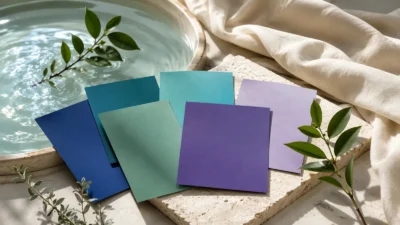
Purple is not one mood. Its shades can move from soft and romantic to formal and severe.
| Shade | Common U.S. Feel | Typical Symbolic Use |
| Lavender | gentle, calm, nostalgic | weddings, wellness, spring decor |
| Lilac | youthful, sweet, airy | flowers, gifts, feminine styling |
| Violet | spiritual, artistic, vivid | faith, creativity, fantasy design |
| Royal purple | formal, rich, ceremonial | luxury, status, awards, formal wear |
| Plum | mature, moody, grounded | interiors, fashion, autumn palettes |
Shade matters because people rarely react to “purple” in the abstract. They react to the purple in front of them.
Lavender can feel comforting because it is light and floral. Royal purple can feel expensive because it echoes robes, velvet, and historic dye traditions. Plum can feel serious because it is close to wine, shadow, and late-season colors. Neon violet can feel digital or futuristic because it is common in screens, gaming, nightlife, and electronic visuals.
A good interpretation names the shade whenever possible.
U.S. Public Symbols: Honor, Awareness, and Support
Purple has several important public meanings in the United States. One of the strongest is military honor through the Purple Heart. In that setting, purple is tied to sacrifice, injury in service, remembrance, and national recognition.
Purple also appears in health and social awareness campaigns. It is widely used for Alzheimer’s awareness, domestic violence awareness, epilepsy awareness, lupus awareness, pancreatic cancer awareness, and other causes. These meanings depend on the specific campaign, not on one general meaning of the color.
This is where interpretation can go wrong. A purple ribbon is not simply “spiritual” or “royal.” It may be a public sign of grief, survival, advocacy, medical research, or solidarity.
In everyday U.S. life, “wear purple” can mean very different things depending on the month, event, school, workplace, or organization. The safest reading is to connect the color to the stated cause rather than assume a broad symbolic meaning.
Politics, Identity, and Social Movements
Purple sometimes appears in U.S. politics as a sign of unity because it can be read as a blend of red and blue. A “purple state” is a place where Democratic and Republican support are both competitive. A politician wearing purple may be interpreted as gesturing toward cooperation, though that meaning depends on context and intent.
Purple and lavender also have important roles in LGBTQ+ history and identity. In some pride flags, purple or violet has a specific meaning assigned by the flag’s creator or community. In broader queer history, lavender has been used in both stigmatizing and reclaimed ways.
This is a good example of how meanings change. A color once used to mark difference can later be used with pride, defiance, and community care. But it is also a reminder not to treat all purple identity symbolism as the same. A bisexual pride flag, a Spirit Day shirt, a lavender sash, and a purple campaign graphic may share a color family but not the same exact meaning.
Purple can signal belonging, visibility, and solidarity. It can also signal an attempt to bridge opposites.
Purple in Fashion, Weddings, Decor, and Gifts
In fashion, purple often feels expressive. Deep purple can look formal or dramatic. Lavender can feel soft and romantic. Bright violet can feel bold or artsy. Because purple is less neutral than black, navy, or beige, wearing it often reads as a deliberate choice.
In U.S. weddings, purple shades are popular because they can move between elegance and sentiment. Lavender and lilac fit spring weddings, garden themes, and softer palettes. Plum and eggplant fit fall weddings, evening ceremonies, and formal floral arrangements.
In home decor, purple needs balance. A small amount can add depth. Too much dark purple can make a room feel heavy if the lighting is poor. Pale purples are often used in bedrooms, nurseries, bathrooms, and calm spaces because they feel gentle without being plain.
As a gift color, purple can suggest admiration, creativity, tenderness, or dignity. Purple flowers may feel more unusual than red roses and more formal than yellow flowers. But flower type matters too. A purple iris, orchid, lilac, violet, and lavender bundle do not all say the same thing.
Purple Tattoo Meanings
Purple tattoos often suggest individuality, imagination, spiritual interest, survival, or emotional depth. The meaning depends less on the color alone and more on the design.
A purple butterfly may suggest change, beauty, or recovery. A purple lotus may point to spiritual growth, especially in modern tattoo language. A purple rose can feel romantic, mysterious, or unconventional. A purple ribbon tattoo may honor a specific cause, illness, survivor story, or loved one.
Because purple is visually striking on skin, it is also chosen for style. Some people use it to soften black linework. Others use it to make fantasy, floral, celestial, or memorial designs feel more personal.
The main caution is not to assign a tattoo meaning from the outside. A purple tattoo can be symbolic, decorative, private, or all three. The wearer’s story matters most.
Branding, Pop Culture, and Overreading Purple
Brands use purple when they want to feel premium, imaginative, comforting, unusual, or future-facing. It appears often in beauty, wellness, sweets, entertainment, technology, and creative services. Deep purple can suggest luxury. Brighter violet can suggest innovation or play.
Pop culture has also shaped how Americans read purple. Purple can bring to mind music, fantasy worlds, villains, royalty, magic, sports teams, or famous works of literature and film. These references can be strong, but they are not the same as ancient symbolism. They are modern cultural layers.
Purple is also easy to overread. Not every purple object is mystical. Not every lavender design is spiritual. Not every purple outfit is political. Sometimes purple is chosen because it looks good, matches a palette, or stands out on a screen.
The most responsible way to interpret purple is to ask three questions: Who is using it? Where is it appearing? What meaning does that setting already give the color?
FAQs
What does purple symbolize most often?
Purple most often symbolizes royalty, dignity, creativity, spirituality, luxury, and individuality. In the United States, it also appears in awareness ribbons, military honor, religious seasons, fashion, and identity symbols.
Is purple a spiritual color?
Purple can be spiritual in many modern interpretations, especially in meditation, crystal, chakra, and wellness settings. In established religious settings, its meaning depends on the tradition, such as Lent and Advent in many Christian churches.
What does a purple tattoo mean?
A purple tattoo can suggest creativity, transformation, spirituality, survival, or personal uniqueness. The design matters more than the color alone, so a purple ribbon, rose, butterfly, or moon will each carry a different meaning.
Is purple positive or negative?
Purple can be positive when it suggests dignity, imagination, comfort, courage, or beauty. It can feel negative or heavy when used in dark shades, mourning contexts, villain imagery, or overly dramatic design.
Why is purple linked with royalty?
Purple is linked with royalty because some ancient purple dyes were rare, expensive, and labor-intensive to make. The color became associated with rulers and elites because they were the people most able to afford it.
What does purple mean in U.S. politics?
In U.S. politics, purple often suggests a blend of red and blue, so it can point to political balance or a competitive state. Clothing or graphics using purple may also be read as a call for unity, though that depends on context.
Does lavender mean the same thing as purple?
Lavender is part of the purple family, but it usually feels softer and calmer. It is more often linked with tenderness, relaxation, spring, romance, or gentle remembrance than with royal power.
Conclusion
Purple’s clearest meaning is dignity with imagination. It carries an old memory of rarity and status, but modern life has given it many new roles: worship, awareness, design, identity, fashion, tattoos, and pop culture.