Pink color symbolism usually begins with affection, softness, care, and femininity in modern American culture. People see pink on Valentine cards, baby clothes, breast cancer ribbons, beauty products, sports uniforms, protest signs, home decor, and tattoos.
That wide use is why pink can feel simple at first. It often looks gentle. It often suggests sweetness or romance. But pink also has a more complicated story.
In the United States, pink has been shaped by fashion, marketing, gender rules, health campaigns, protest movements, and pop culture. Its meaning depends on shade, setting, and who is using it.
A pale blush wall, a hot pink suit, a pink ribbon, and a reclaimed pink triangle do not say the same thing. They share a color family, but they carry different histories.
Quick Answer
In modern U.S. culture, pink color symbolism most often points to love, tenderness, care, femininity, and emotional warmth. Those meanings grew from pink’s closeness to red, its use in fashion and baby marketing, and later public symbols such as Valentine’s Day imagery and breast cancer awareness campaigns.
TL;DR
- Pink often means affection, care, and softness.
- Its feminine meaning is modern, not ancient.
- Shade changes the message a lot.
- Pink can be playful, romantic, bold, or political.
- Spiritual meanings are mostly belief-based interpretations.
- Pink can also feel commercial or limiting.
What Pink Symbolizes in the United States Today
In the United States today, pink is most often read as a color of affection. It suggests tenderness more than passion, warmth more than heat, and care more than force.
That is why pink appears so often in romance, friendship gifts, baby showers, beauty products, and comforting spaces. It can make a message feel less harsh. A red heart may look passionate. A pink heart often feels softer, sweeter, or more playful.
Pink is also strongly tied to femininity in mainstream U.S. culture. This does not mean pink is naturally feminine. It means many Americans have learned to read it that way through clothing, toys, advertising, and social habits.
At the same time, pink has become more flexible. Many people now use it to signal confidence, irony, nostalgia, gender play, queer identity, or visual boldness. A hot pink jacket can feel powerful. A dusty pink room can feel calm. A neon pink poster can feel loud and rebellious.
So the core meaning is not one fixed idea. Pink usually starts with care and softness, but context decides whether it becomes romantic, cute, fashionable, political, spiritual, or commercial.
Why Pink Feels Softer Than Red
Pink is often understood as a gentler relative of red. Red is linked with blood, heat, danger, power, anger, and desire. Pink keeps some of red’s emotional warmth but lowers its intensity.
That is one reason pink often becomes the color of affectionate love rather than urgent passion. It can suggest a blush, a rose, a candy heart, a baby blanket, or a spring flower. These images shape how people read the color.
This does not mean pink is weak. A bright pink can be louder than deep red in the right setting. Hot pink, magenta, and fuchsia can feel electric, stylish, and hard to ignore.
Still, the basic emotional contrast matters. In many U.S. settings, red says “attention” or “desire.” Pink says “approach,” “care,” or “play.” That softer reading helps explain its use in greeting cards, cosmetics, packaging, weddings, nurseries, and wellness branding.
How Pink Became Linked With Girls and Femininity
Pink’s link with girls is one of its most familiar meanings, but it is not as old or simple as many people assume.
In the United States and parts of Europe, baby clothing was not always divided into strict pink-for-girls and blue-for-boys rules. White baby clothes were practical because they could be washed and bleached. Pastel colors became more common later, especially as baby clothing, department stores, and consumer culture grew.
The modern gender code hardened over time. By the mid-20th century, pink was increasingly marketed as feminine. Dolls, dresses, beauty products, girls’ toys, and nursery goods helped reinforce the idea.
There were earlier moments when some advice columns or retailers suggested pink for boys and blue for girls. But that does not mean every family followed a reversed rule. The evidence points to a messy transition, not a clean switch.
By the late 20th century, pink had become one of the clearest visual signs of girlhood in American consumer culture. Toy aisles, birthday decorations, clothing racks, and advertising made the link feel normal.
That history matters because it shows pink’s gender meaning was built. It was repeated until it felt natural. Today, many people still enjoy pink as feminine, while others use it to challenge the idea that colors should belong to one gender.
Pink Before the Modern Gender Code
Before pink became so strongly attached to girls, it had wider meanings in fashion, art, and material culture.
The word “pink” has a flower connection. It was used for Dianthus flowers before it became a common English color name. That origin helps explain why pink has long carried floral associations: delicacy, beauty, spring, ornament, and cultivated charm.
In earlier Western fashion, pink could appear in men’s and women’s clothing. It was not automatically childish or unserious. In some elite settings, pink was stylish, expensive-looking, and expressive. Like many colors, its meaning depended on fabric, class, occasion, and taste.
This broader history is important because it weakens the idea that pink has one true meaning. Pink has moved through many roles: floral, fashionable, romantic, feminine, playful, artificial, rebellious, luxurious, and ironic.
The modern American view of pink is only one chapter in a longer story.
How Different Shades of Pink Change the Meaning
Pink changes quickly by shade. A pale pink and a neon pink may share a name, but they rarely send the same message.
| Shade of Pink | Common U.S. Reading | Typical Context |
| Pale pink or blush | Tender, soft, romantic, calm | Weddings, nurseries, interiors |
| Rose pink | Affectionate, graceful, classic | Flowers, beauty, formal design |
| Hot pink | Bold, playful, confident, loud | Fashion, pop culture, branding |
| Dusty pink | Mature, understated, nostalgic | Home decor, modern weddings |
| Bubblegum pink | Cute, youthful, sweet, artificial | Candy, toys, retro design |
| Fuchsia or magenta-pink | Energetic, stylish, dramatic | Performance, nightlife, statement looks |
Shade is one of the easiest ways to avoid overreading pink. A blush dress at a wedding may suggest softness. A hot pink protest sign may suggest defiance. A dusty pink sofa may suggest calm taste rather than romance.
Texture also matters. Pink satin, pink yarn, pink neon, pink plastic, pink roses, and pink paint all carry different feelings. The same color can feel sincere, cheap, elegant, childish, or bold depending on the material.
Pink in Love, Care, and Awareness Campaigns
Pink is one of the main colors of affectionate love in the United States. It appears on Valentine’s Day cards, heart-shaped candy, flowers, gift wrap, and romantic packaging.
Compared with red, pink usually suggests a softer form of love. It can point to a crush, tenderness, sweetness, friendship, gratitude, or care. That is why pink works well for both romance and non-romantic affection.
Pink also became one of the most visible colors of public care through breast cancer awareness. The pink ribbon is now widely understood as a sign of support for people affected by breast cancer, especially during October.
This meaning is modern. It is not because the disease itself has an ancient connection to pink. The symbol grew through awareness campaigns, survivor recognition, fundraising, and mass visibility.
For many people, wearing pink in that context means solidarity, remembrance, hope, or support. For others, the pink ribbon can feel too commercial, especially when companies use pink products without clear benefit to patients, research, prevention, or care.
Both reactions exist. The symbol can comfort some people and frustrate others. A responsible reading should allow for both.
Pink in Fashion, Branding, Decor, and Digital Culture
Pink is a flexible color in fashion because it can look delicate, glamorous, strange, nostalgic, or fearless.
A soft pink blouse may read as gentle. A hot pink suit may read as confident. A pale pink sneaker may read as casual and stylish. A full bright pink outfit may feel playful, theatrical, or intentionally excessive.
Brands use pink for many reasons. It can make packaging feel friendly, sweet, beauty-focused, youthful, romantic, or approachable. Some brands use pink to signal products aimed at women. Others use it to stand out from more expected colors.
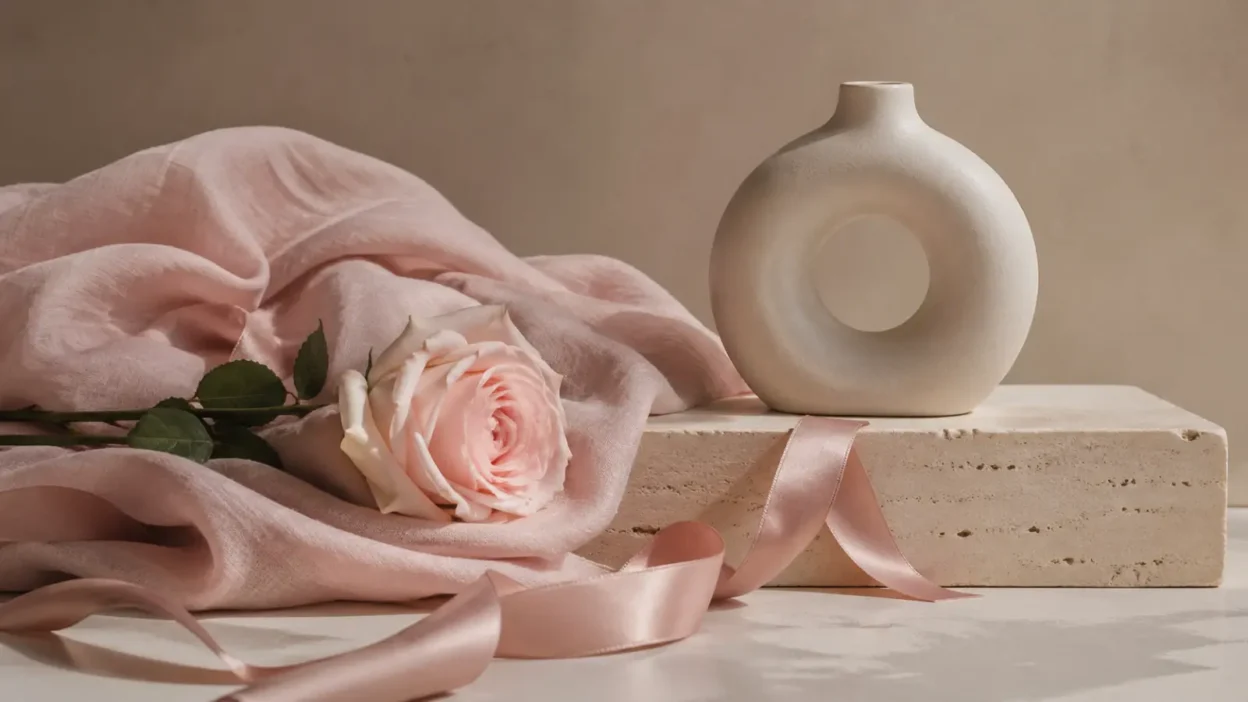
Home decor has also changed pink’s meaning. Blush and dusty pink are often used as warm neutrals. They can soften a room without making it look childish. In this setting, pink often means comfort, warmth, and design awareness.
Digital culture has given pink new lives. Millennial pink became popular as a muted, gender-looser shade in fashion, interiors, tech, and social media images. Barbiecore pushed bright pink back into the center of pop culture as a color of camp, nostalgia, glamour, and exaggerated femininity.
These trends show how pink can be both sincere and self-aware. People may use it because they love softness. They may also use it because they know pink has baggage and want to play with that baggage.
Pink as Protest, Identity, and Reclaimed Power
Pink is not only cute. It can also be a protest color.
In U.S. feminist protest, pink has been used to make crowds visible, to reclaim dismissed forms of femininity, and to turn softness into a public statement. The pink pussyhat from the 2017 Women’s March is one example. It used knitting, pink yarn, and a simple shape to create a shared visual sign.
That symbol also had criticism. Some people saw it as powerful and witty. Others felt it centered womanhood too narrowly around anatomy and left out some transgender and gender-nonconforming people. That debate is part of the symbol’s history.
Pink also appears in LGBTQ history through the pink triangle. This needs careful separation from general pink symbolism. The pink triangle began as a Nazi concentration camp badge used to mark and persecute certain prisoners, especially gay men. Later, LGBTQ activists reclaimed it as a sign of memory, resistance, grief, and pride.
Because of that history, the pink triangle is not just “pink means pride.” It is a specific symbol with pain behind it. Its modern use carries both remembrance and defiance.
Pink can become powerful when people take a color that has been mocked as weak, childish, or feminine and use it in public with intention.
Spiritual, Religious, and Folklore Readings of Pink
Pink has spiritual meanings for many people, but these meanings should be handled with care.
In some Christian settings, rose-colored vestments are used on certain Sundays connected with joy and relief during penitential seasons. Many people casually call the color pink, though “rose” is often the more precise church term. In that setting, the color points to hope, rejoicing, and a pause in solemnity.
Modern spiritual communities often connect pink with compassion, emotional healing, self-love, and the heart. Pink crystals, pink aura readings, and heart-centered meditations are common in New Age and wellness spaces.
Those interpretations may be meaningful to people who practice them, but they should not be described as universal facts. A claim such as “pink means divine love in all traditions” would be too broad.
Pink also appears through flowers in cultural symbolism. In Japan, pink cherry blossoms are tied to spring and the beauty of brief life, though that meaning belongs to sakura as a flower and cultural symbol, not to every pink object everywhere.
The safest way to read pink spiritually is by context. In a church, a rose vestment has a liturgical setting. In a crystal shop, pink may be part of modern healing symbolism. In a tattoo, it may simply be personal.
When Pink Feels Negative or Contested
Pink has positive meanings, but it can also feel limiting or artificial.
For some people, pink feels infantilizing. This happens when it is used to make women or girls seem cute, harmless, passive, or less serious. A pink product can feel playful in one setting and patronizing in another.
Pink can also be used in shallow marketing. The phrase “pink tax” points to the way products marketed to women may cost more than similar products marketed to men. The color becomes shorthand for gendered pricing and consumer targeting.
“Pinkwashing” is another contested use. In breast cancer awareness, it refers to companies using pink ribbons or pink products to appear supportive while giving little help, hiding donation details, or selling products that raise ethical concerns.
Common negative readings include:
- Childishness: pink used to dismiss adults as unserious.
- Stereotyping: pink used as a shortcut for “for women.”
- Commercial softness: pink used to make selling feel caring.
- Performative support: pink used without meaningful action.
- Artificial sweetness: pink used to hide harsher realities.
None of this means pink is bad. It means the color has been used so heavily that people may question what is behind it.
How to Interpret Pink in Tattoos, Gifts, Clothing, and Spaces
Pink symbolism is most useful when you read it with the object, person, and setting.
A pink tattoo can mean love, survival, softness, femininity, grief, playfulness, or self-acceptance. A pink rose tattoo may suggest romance or remembrance. A pink ribbon tattoo may point to breast cancer awareness or a personal connection to illness. A hot pink design may be more about style and boldness than tenderness.
Pink gifts often feel affectionate. Pale pink flowers can suggest admiration, sweetness, gratitude, or gentle love. Pink wrapping may make a gift feel soft, romantic, or celebratory.
In clothing, pink depends on styling. A pale pink dress can feel delicate. A hot pink blazer can feel assertive. Pink streetwear may feel relaxed and gender-fluid. Pink sports gear in October may connect to breast cancer awareness.
In home decor, pink can warm a room. Soft shades can make a bedroom, nursery, or living area feel calm. Brighter shades create a stronger design statement.
A simple guide helps:
- Ask what shade of pink it is.
- Notice the object carrying the color.
- Consider the occasion.
- Think about the person or group using it.
- Avoid assuming one universal meaning.
Pink is rarely just one thing. It is a color shaped by use.
FAQs
What does pink symbolize most often?
Pink most often symbolizes affection, tenderness, care, femininity, and softness in modern U.S. culture. The exact meaning changes by shade and setting, so pale pink, hot pink, and dusty pink can feel very different.
What does pink mean spiritually?
In modern spiritual use, pink is often linked with compassion, self-love, emotional healing, and the heart. These meanings are best understood as belief-based interpretations, not universal religious facts.
What does a pink tattoo symbolize?
A pink tattoo can symbolize love, softness, femininity, healing, remembrance, or playful confidence. The design matters more than the color alone, so a pink rose, pink ribbon, and pink abstract tattoo will not carry the same meaning.
Was pink always a girl color?
No. Pink’s strong association with girls is modern and developed through fashion, baby clothing, retail, toys, and advertising. Earlier use was more mixed, and the shift was gradual rather than a clean reversal.
Is pink a positive or negative color?
Pink is often positive because it suggests care, warmth, affection, and hope. It can become negative when used to stereotype, infantilize, over-commercialize, or perform support without meaningful action.
Why is pink used for breast cancer awareness?
Pink became widely linked with breast cancer awareness through ribbon campaigns in the early 1990s. Today it can symbolize support, remembrance, and fundraising, though some people criticize shallow or commercial uses of the symbol.
What is the difference between light pink and hot pink?
Light pink usually feels gentle, romantic, soft, or calming. Hot pink is louder and often suggests confidence, play, glamour, rebellion, or pop-culture style.
Conclusion
Pink is one of the most flexible colors in modern American life. It can be tender, romantic, stylish, youthful, comforting, political, or critical, depending on how it is used.