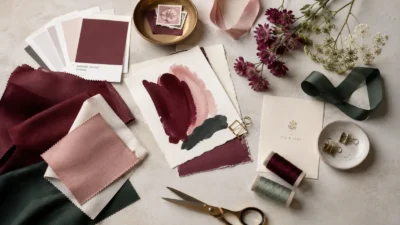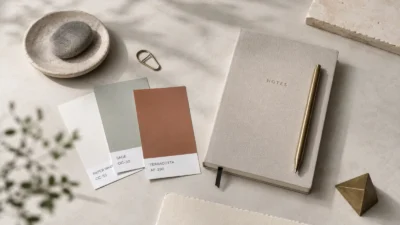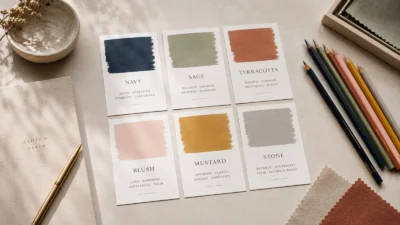
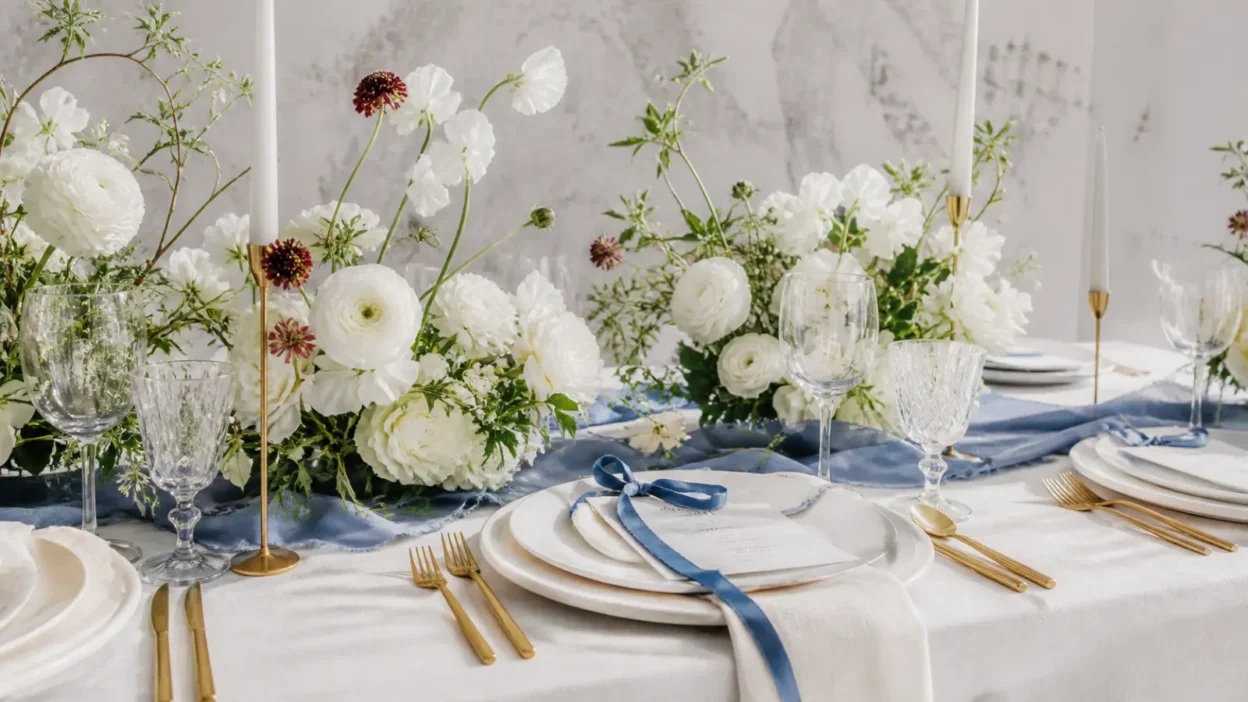
Color symbolism in weddings is not one fixed code. In the United States, wedding colors often mix personal taste, family expectations, religious customs, fashion trends, and older ideas about purity, luck, love, wealth, and celebration.
That is why the same color can mean different things in different weddings. White may feel classic to one couple, spiritual to another, and simply stylish to someone else. Red may suggest romance in one setting, but joy and good fortune in another.
The clearest way to understand wedding colors is to ask what role the color is playing. Is it part of the bride’s clothing? A family tradition? A religious ceremony? A guest outfit? A social media aesthetic? The meaning changes with the setting.
Quick Answer
In modern U.S. weddings, color symbolism in weddings most often represents the mood, values, and identity a couple wants to express, with white still strongly tied to tradition, new beginnings, and bridal formality. Historically, many wedding color meanings grew from fashion, religion, class, family customs, and cultural ideas about luck, purity, prosperity, mourning, or celebration.
TL;DR
- White is classic, not universally ancient.
- Red changes meaning across cultures.
- Black can signal elegance or rebellion.
- Blue often suggests loyalty and calm.
- Trends are not the same as tradition.
- Context matters more than color alone.
What Wedding Color Symbolism Means Today
Wedding color symbolism refers to the meanings people attach to colors used in a ceremony or celebration. These colors may appear in the dress, suit, flowers, invitations, table linens, lighting, cake, jewelry, bridesmaid dresses, family clothing, or religious objects.
In modern U.S. weddings, color usually works on three levels.
First, it creates mood. Soft blues and greens can make a wedding feel calm. Deep reds and burgundies can make it feel romantic or formal. Bright yellows and oranges can make it feel joyful and casual.
Second, it signals tradition. White and ivory still carry strong bridal meaning in many American weddings. “Something blue” still appears as a small luck-related custom. Gold may suggest blessing, wealth, or celebration.
Third, it expresses identity. Many couples choose colors because they fit a season, family background, favorite place, shared memory, or design style. A desert wedding may use terracotta. A garden wedding may use sage. A winter wedding may use navy, silver, or evergreen.
This means wedding color symbolism is real, but it is not a strict language. A color does not prove what a couple believes. It gives clues only when read with culture, setting, and personal choice.
White and Ivory: Tradition, Purity, Status, and New Beginnings
White is the most recognized wedding color in the United States. It is strongly associated with brides, ceremony, innocence, new beginnings, and a formal wedding atmosphere.
But the story is more layered than “white means purity.”
In Western bridal fashion, white became especially influential after Queen Victoria wore a white dress for her 1840 wedding to Prince Albert. She was not the first bride to wear white, but her wedding helped make white fashionable among wealthy brides. At the time, a white dress could also signal status. It was hard to keep clean and was less practical than a darker dress that could be worn again.
Later, white bridalwear became more widely available. As wedding photography, magazines, department stores, Hollywood, and mass-produced clothing grew, the white wedding dress became a stronger U.S. ideal. Over time, many people came to read white as purity, innocence, and romance.
Ivory works in a similar way, but it often feels warmer and softer than bright white. In modern weddings, ivory can suggest tradition without feeling stark. Champagne, cream, pearl, and off-white shades also carry bridal meaning while giving the palette more warmth.
White can mean:
- a formal bridal role
- a fresh start
- religious or moral purity in some contexts
- elegance and simplicity
- family tradition
- wealth or formality in historical readings
Still, white should not be treated as a universal wedding color. In some cultures, white has mourning associations. In many communities, other colors have been more important for bridal clothing. Even in the United States, many brides now choose blush, blue, black, floral, gold, red, or patterned gowns.
The modern meaning of white is strongest when it appears as bridal attire. White flowers, white table linens, or white invitations may simply mean clean, classic, formal, or minimal.
Red: Love, Celebration, Luck, and Cultural Specificity
Red is one of the most emotionally charged wedding colors. In many U.S. wedding palettes, red suggests romance, passion, desire, drama, and strong feeling. Red roses, red lipstick, burgundy bridesmaid dresses, and crimson flowers all draw from this romantic meaning.
But red also has deep cultural wedding meanings that go beyond romance.
In many Chinese wedding traditions, red is strongly associated with joy, luck, celebration, prosperity, and blessing. Red clothing, decorations, envelopes, and symbols may appear as part of the wedding day. In those contexts, red is not just a bold color choice. It can be part of a living cultural tradition.
Red also appears in some South Asian wedding settings, though meanings vary by region, religion, family, and specific ceremony. It may be tied to marriage, fertility, auspiciousness, celebration, or bridal identity. It is not accurate to treat all Asian weddings as if red means the same thing everywhere.
In U.S. weddings today, red can be read in several ways:
- Romantic red: roses, hearts, Valentine-like love.
- Formal red: burgundy, wine, oxblood, and deep seasonal palettes.
- Cultural red: joy, blessing, or auspiciousness in some family traditions.
- Attention-grabbing red: a strong guest outfit or statement gown.
Because red can carry cultural weight, guests should be careful. At some weddings, wearing red is perfectly acceptable. At others, especially where red is reserved for the bride or tied to specific family customs, it may feel disrespectful. The safest approach is to follow the invitation, dress code, or couple’s guidance.
Red is not one meaning. It is a color whose symbolism depends heavily on whose wedding it is.
Blue, Green, and Yellow: Calm, Growth, Joy, and Seasonal Mood
Blue often suggests loyalty, calm, trust, depth, and steadiness. In Western wedding custom, “something blue” has long been connected with fidelity and good fortune. Today, blue may appear as a ribbon, shoes, jewelry, suit, invitation, hydrangea, table linen, or coastal color palette.
Light blue feels gentle and airy. Navy feels formal, stable, and classic. Dusty blue often suggests softness and nostalgia. Bright blue may feel cheerful or modern.
Green usually points toward growth, renewal, nature, balance, and life. This makes it popular for garden weddings, outdoor weddings, spring ceremonies, and natural decor. Sage green has become especially common in U.S. weddings because it feels calm, flexible, and not too bright. Emerald, by contrast, feels richer and more formal.
Yellow is usually read as cheerful, bright, and optimistic. It can suggest sunlight, warmth, friendship, and open celebration. Pale yellow feels soft and springlike. Gold-yellow feels festive. Acidic yellow-green shades can feel modern and fashion-forward.
These emotional readings are common, but they should not be overstated. Color can shape atmosphere, yet it does not control how every guest feels. Lighting, music, weather, flowers, venue, family mood, and personal memory all affect how a color lands.
The symbolic meaning is strongest when the color supports the wedding’s setting. A green palette at a woodland ceremony feels different from green neon signs at a late-night reception. A pale blue church ribbon feels different from a blue-and-silver winter ballroom.
Gold, Silver, and Metallics: Blessing, Wealth, Glamour, and Formality
Gold is one of the clearest wedding colors for celebration. It suggests value, warmth, blessing, abundance, and ceremony. It appears in rings, jewelry, flatware, candleholders, embroidery, invitations, frames, cake details, and religious objects.
Gold can feel sacred in some religious settings, especially when used in icons, vessels, vestments, or ceremonial spaces. In other weddings, it is mostly decorative. A gold charger plate does not carry the same meaning as a sacred object in a worship space.
Silver often feels cooler and more refined. It can suggest elegance, clarity, winter, moonlight, formality, and modern style. Silver is common in jewelry, shoes, table settings, foil invitations, and evening weddings.
Rose gold became popular because it blends metallic formality with softness. It can suggest romance, warmth, and modern femininity without the brightness of yellow gold.
Metallics also carry a practical message: this is a special occasion. Even when couples do not intend a deeper meaning, gold and silver tell guests that the event is ceremonial, dressed-up, and separate from ordinary life.
Black, Gray, and Dark Palettes: Mourning, Elegance, Rebellion, and Drama
Black has a complicated place in wedding symbolism.
In much of U.S. culture, black has long been tied to mourning, seriousness, and formality. Because weddings are celebrations, older etiquette sometimes treated black guest clothing as too somber. That rule has softened. Today, black is common at formal evening weddings, black-tie events, city weddings, and modern minimalist ceremonies.
A black wedding dress can mean several things. It may signal elegance, independence, gothic style, drama, fashion confidence, or rejection of the expected white gown. It does not automatically mean sadness or bad luck.
Gray works differently. Light gray can feel soft, quiet, and modern. Charcoal feels formal and masculine, especially in suits. Gray may also suggest restraint, balance, or urban style.
Dark palettes are popular because they create contrast. Black candles, deep plum flowers, navy linens, and dark green foliage can make a wedding feel intimate and dramatic.
The caution is that dark colors still carry older meanings for some guests. Grandparents, religious relatives, or more traditional families may read black differently from younger guests. That does not make black wrong. It means the symbolism is generational as well as cultural.
Blush, Pink, Lavender, and Pastels: Soft Romance Without Old Rules
Blush and pale pink are now common in U.S. weddings. They suggest tenderness, romance, affection, softness, and warmth. Unlike red, pink is usually read as gentle rather than intense.
Blush became especially useful because it works like a near-neutral. It pairs with ivory, gold, sage, navy, burgundy, terracotta, black, and gray. It can look classic, rustic, modern, or garden-like depending on the setting.
Bright pink has a different tone. It may feel playful, confident, glamorous, or fashion-led. Hot pink is less about old wedding tradition and more about personality.
Lavender and lilac often suggest softness, grace, spring, memory, and calm. Deeper purple has older associations with royalty, dignity, spirituality, or luxury. In weddings, purple can feel romantic or ceremonial, but it may also feel theatrical if used heavily.
Pastels in general tend to soften the emotional volume of a wedding. They are often chosen for spring, outdoor ceremonies, garden settings, and romantic decor. Their symbolism is less about ancient meaning and more about atmosphere.
How Culture, Religion, and Family Tradition Change Color Meaning
Wedding colors do not mean the same thing in every family. A color that feels festive in one setting may feel inappropriate in another. A color that looks purely decorative to one guest may carry religious or ancestral meaning to someone else.
This matters in the United States because many weddings are multicultural, interfaith, blended, or shaped by immigrant family traditions. A couple may use white for a Western-style ceremony and red for a tea ceremony. Another couple may use gold in a church, temple, mosque-adjacent celebration, or family ritual. Another may avoid certain colors because of mourning customs.
A respectful reading starts with context.
| Color | Common U.S. wedding reading | Meaning may shift when |
|---|---|---|
| White/Ivory | Bridal tradition, new beginning, formality | White is tied to mourning or religious meaning |
| Red | Romance, passion, drama | Red is a bridal or auspicious cultural color |
| Black | Formality, elegance, modern style | Black is read mainly as mourning |
| Gold | Celebration, wealth, blessing | Gold appears in sacred or ceremonial objects |
| Green | Nature, growth, renewal | Specific shades connect to family, religion, or national identity |
Religion can also change color meaning. White may suggest purity, baptismal imagery, sacredness, or ritual cleanliness in some Christian contexts. Gold may suggest holiness or divine light in certain church settings. In other ceremonies, color meanings may come more from family custom than formal doctrine.
The key point is not to guess too much. Color can point toward belief, but it does not prove belief.
Wedding Colors in Modern U.S. Life: Decor, Fashion, Branding, and Social Media
Most U.S. couples encounter wedding colors through planning tools before they think about symbolism. Colors appear in mood boards, invitation suites, florist proposals, dress codes, rental catalogs, venue galleries, and social media posts.
Modern wedding color meaning often comes from use:
- Invitations set the first emotional cue.
- Bridesmaid dresses create a visible color field.
- Flowers carry both color and plant symbolism.
- Table decor makes the reception feel formal, rustic, playful, or intimate.
- Lighting can turn the same palette warm, cool, dramatic, or soft.
- Guest dress codes can make color part of the shared experience.
Branding also shapes wedding colors. A couple may create a logo, monogram, website, welcome sign, or custom cocktail menu. In that setting, color works like identity design. It tells guests what kind of event they are entering.
Social media has made wedding color more visual and trend-driven. Sage green, terracotta, dusty blue, champagne, mauve, black-and-white, citrus tones, and moody jewel colors have all moved through U.S. wedding culture as recognizable styles.
That does not make them meaningless. It means some meanings are recent. A citrus accent may suggest joy and freshness in a 2026 wedding, but it does not have the same long cultural weight as red in a Chinese wedding or white in Western bridal fashion.
When Wedding Color Meanings Get Oversimplified
The biggest mistake is treating color like a universal dictionary.
It is easy to say “white means purity,” “red means love,” “black means death,” or “green means growth.” Those statements can be partly true in some settings. They become misleading when treated as fixed rules.
Wedding color meanings are often oversimplified in four ways.
First, history gets flattened. White bridalwear did not become dominant only because of purity. Fashion, class, monarchy, photography, magazines, commerce, and later mass production all mattered.
Second, cultural meanings get borrowed without context. A red dress, henna-night color scheme, gold embroidery, or ceremonial color may look beautiful, but it can carry family, religious, or cultural meaning. Using it only as an aesthetic can feel shallow if the tradition is not understood.
Third, etiquette gets overstated. In many U.S. weddings, guests should avoid wearing white because it can compete with the bride. But black, red, metallics, and bright colors depend on the couple, culture, venue, and dress code.
Fourth, trends get mistaken for heritage. A color can be popular and meaningful without being ancient. A moody black-and-plum wedding may express personal style. It does not need a false old legend to matter.
Good interpretation does not make a color smaller. It makes the meaning more honest.
How to Interpret Wedding Colors Without Overreading Them
The best way to read wedding colors is to start with the obvious context before looking for deeper meaning.
Ask these questions:
- Is the color worn by the couple or used only in decor?
- Is it part of a known family, cultural, or religious tradition?
- Does the invitation explain the dress code or theme?
- Does the color match the season or venue?
- Is the couple using it for personal reasons?
- Could the meaning be aesthetic rather than symbolic?
A white gown usually carries stronger symbolic weight than white napkins. A red bridal outfit in a cultural ceremony carries a different meaning from red roses at a Valentine’s weekend wedding. Black guest attire at a formal evening reception is not the same as a black wedding dress chosen as a personal statement.
Color matters because weddings are symbolic events. They mark a change in public, in front of family and community. But color is only one part of that meaning.
The most responsible reading is flexible: tradition where tradition is present, personal style where personal style is present, and caution where culture or religion may be involved.
FAQs
What does white symbolize in a wedding?
In many U.S. weddings, white symbolizes bridal tradition, new beginnings, formality, and sometimes purity. Historically, it also reflected fashion and status, so it should not be reduced to only one meaning.
What does red symbolize in weddings?
Red can symbolize love, passion, and drama in many American wedding palettes. In some Asian wedding traditions, it may carry stronger meanings of joy, good fortune, prosperity, and blessing, so context matters.
Is it bad luck to wear black to a wedding?
In modern U.S. weddings, black is usually acceptable, especially for formal or evening events. Some families still associate black with mourning, so the safest guide is the couple’s dress code and the tone of the ceremony.
What does blue mean in wedding symbolism?
Blue often suggests loyalty, calm, trust, and steadiness. The old “something blue” custom connects blue with fidelity and good fortune, though many couples now use it mainly as a soft design choice.
Are wedding color meanings religious?
Some wedding color meanings are religious, but many are cultural, fashionable, personal, or decorative. White, gold, red, and other colors may carry religious meaning in certain ceremonies, but that meaning depends on the tradition.
What does a black wedding dress symbolize?
A black wedding dress may symbolize elegance, independence, drama, gothic style, or a break from conventional bridal expectations. It does not automatically mean grief or bad luck, though some guests may still read it through older mourning associations.
Do 2026 wedding color trends have symbolic meaning?
They can, but their meanings are usually modern and style-based rather than ancient. Earthy colors may suggest grounded intimacy, citrus tones may suggest freshness, and deep jewel tones may suggest formality or drama.
Conclusion
Wedding colors work because they make emotion visible. White and ivory can mark tradition and new beginnings. Red can show romance, celebration, or cultural blessing. Blue, green, gold, black, blush, and other colors help shape the mood of the day.