Animal Symbolism is the use of animals to represent human traits, social values, spiritual ideas, fears, hopes, or lessons. A lion may suggest courage. A dove may suggest peace. A snake may suggest danger, healing, temptation, or renewal, depending on the setting.
People care about animal symbols because animals feel close to human life. They move, hunt, protect, migrate, bond, hide, and survive in ways people notice. Those visible behaviors make them easy to turn into stories.
In the United States today, animal symbols show up in tattoos, team mascots, state emblems, brand logos, home decor, school identities, children’s books, memorial art, social media, and spiritual language. The meaning is rarely fixed. It depends on culture, religion, personal memory, and how the image is used.
Quick Answer
In modern U.S. use, Animal Symbolism most often represents human qualities such as courage, loyalty, freedom, wisdom, protection, transformation, or danger. Many meanings grew from visible animal traits, religious stories, folklore, fables, heraldry, and national symbols, but they should be read with cultural context instead of treated as universal facts.
TL;DR
- Animal meanings depend on culture and context.
- Traits often shape symbolic associations.
- Folklore and religion gave many animals moral roles.
- U.S. usage favors identity, branding, tattoos, and mascots.
- “Spirit animal” language can be culturally careless.
- Real animal behavior is not the same as symbolism.
What Animal Symbols Usually Mean Today
Today, animal symbols usually work as a kind of shorthand. They let people express a trait or feeling through a creature that many readers can picture fast.
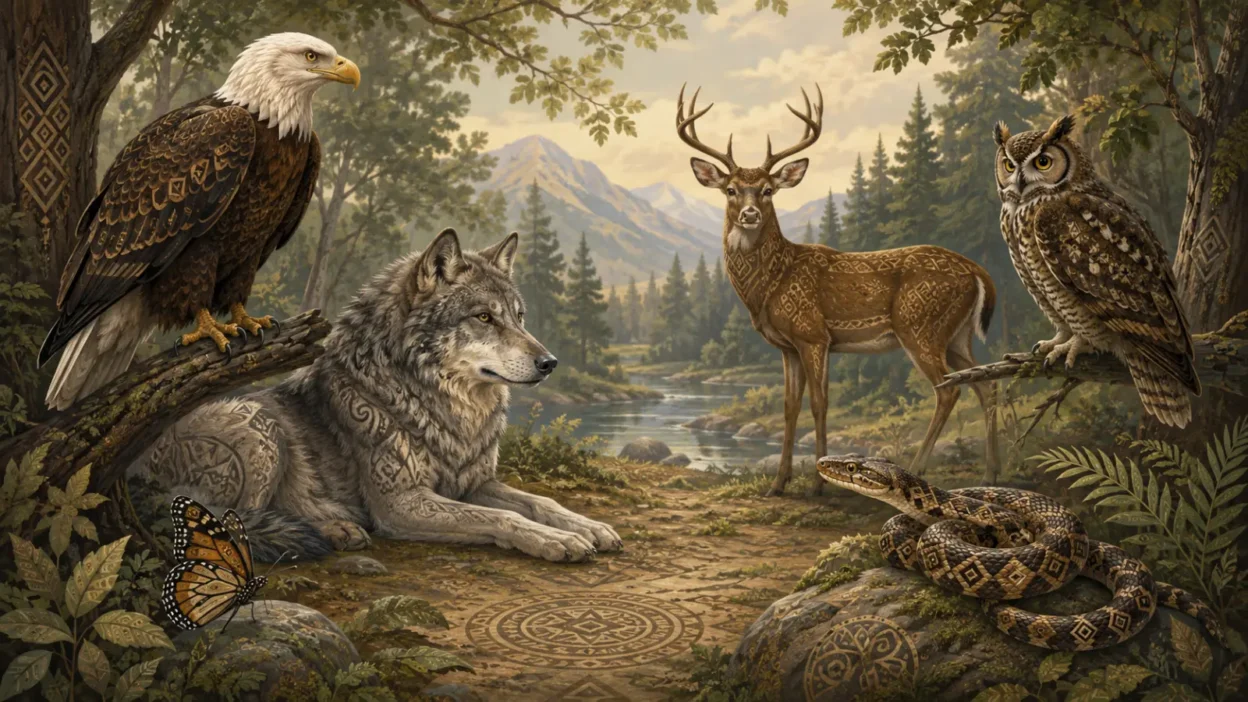
A wolf can suggest loyalty, independence, danger, or wilderness. A dog may suggest faithfulness and protection. An owl often points to wisdom or watchfulness. A butterfly often means change because its life cycle makes transformation visible.
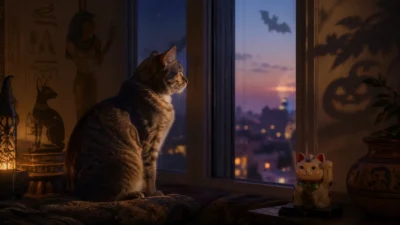
These meanings are not laws. They are patterns. A black cat can be unlucky in one tradition, elegant in a fashion design, beloved in a pet portrait, or magical in a Halloween image.
In modern U.S. culture, the most common use is personal. People choose animal symbols to say something about who they are, who they want to become, or what they value.
Why Humans Turn Animals Into Symbols
People have watched animals for as long as people have made stories. Animals were food, danger, companions, workers, weather signs, sacred figures, and neighbors in the landscape.
That closeness made them useful for meaning. A creature with sharp vision could become a symbol of insight. A protective mother bear could become a symbol of defense. A bird in flight could stand for release, distance, or spiritual ascent.
Animal symbols also help people talk about difficult ideas. It is easier to picture courage as a lion than to define courage in abstract terms. It is easier to show temptation with a serpent, peace with a dove, or patience with a turtle.
This does not mean every culture read the same animal the same way. It means animals gave people a shared visual language, and each community shaped that language differently.
Visible Traits That Shape Meaning
Many animal meanings start with what people can see. Flight, speed, claws, scales, horns, night vision, migration, hibernation, shedding skin, and metamorphosis all invite symbolic reading.
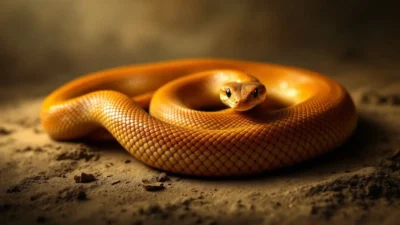
The eagle’s height and sharp sight make it easy to connect with vision and authority. The deer’s alertness and grace support meanings of gentleness and sensitivity. The snake’s shedding skin helps explain its link with renewal, even when other traditions connect it with fear or temptation.
But symbolic meaning can drift far from biology. Wolves are often shown as lone, savage outsiders, yet real wolves are social animals with complex pack life. Owls are linked with wisdom, but that does not mean owls are wise in the human sense. The symbol comes from human interpretation, not from a scientific claim about the animal’s mind.
A responsible reading keeps both sides in view: what people noticed in the animal, and what they projected onto it.
Religious and Ancient Roots Without One Universal Meaning
Animals have long appeared in religious art, myth, ritual, and sacred stories. In some traditions, animals are linked with gods, saints, ancestors, moral lessons, or cosmic order. In others, they appear as helpers, warnings, protectors, tricksters, or signs of divine presence.
For example, owls became associated with wisdom in parts of ancient Greek tradition because of their connection with Athena. Lamb imagery became important in Christianity because it could express innocence, sacrifice, and Christ-centered meaning. Cows, elephants, serpents, birds, fish, and many other animals carry religious meanings in specific traditions.
The key word is specific. It is not accurate to say an animal has one ancient meaning everywhere. A snake may be feared, honored, healed through, blamed, or revered depending on the tradition. A bird may signal freedom in one setting and the soul, the afterlife, prophecy, or status in another.
The safest approach is to ask: Which culture? Which time period? Which religious setting? Which image?
Folklore, Fables, and Moral Lessons
Folklore helped spread many animal meanings because animal characters make moral lessons memorable. A fox can become cleverness. A turtle can become patience. A hare can become overconfidence. A raven can become a trickster, a messenger, or a sign of mystery.
In fables, animals often act like people. They argue, cheat, boast, help, betray, or learn. The point is not zoology. The point is human behavior.
Medieval European bestiaries did something similar in a religious frame. They described real and imaginary creatures and gave them moral or Christian meanings. Some claims in those texts were not biologically accurate, but they mattered because they taught readers how to interpret the world.
That pattern still shapes modern storytelling. Children’s books, animated films, fantasy novels, and advertising often use animals to make human traits easier to understand.
Common Animal Meanings in Modern U.S. Life
The table below shows common modern U.S. readings. These are broad patterns, not fixed definitions.
| Animal | Common U.S. Meaning | Why the Meaning Developed | Caution |
|---|---|---|---|
| Eagle | freedom, national strength, vision | flight, height, the Great Seal, patriotic use | not the only American animal symbol |
| Wolf | loyalty, instinct, wildness, independence | pack life, predator image, frontier stories | “lone wolf” is often oversimplified |
| Owl | wisdom, night vision, mystery | Greek tradition, nocturnal habits, watchful eyes | wisdom is symbolic, not scientific |
| Snake | danger, healing, renewal, temptation | venom, shedding skin, religious stories | meanings vary sharply by tradition |
| Butterfly | transformation, grief, hope, beauty | metamorphosis and delicate appearance | often modernized in decor and tattoos |
These meanings work because they are easy to recognize. They also work because they are flexible. A person may choose a wolf tattoo for family loyalty, while a horror film may use a wolf for threat.
Context decides which reading makes sense.
Animal Symbols in the United States
The United States uses animal symbols in official, local, and commercial ways. The bald eagle is the clearest national example. It appears in government imagery and patriotic design because it suggests independence, strength, watchfulness, and national authority.
States, schools, cities, and sports teams also use animals. Bears, cougars, mustangs, rams, falcons, bulldogs, tigers, panthers, and eagles are common because they suggest energy, courage, toughness, or pride. A mascot turns an animal into group identity.
Brands use animals for the same reason. A jaguar can suggest speed and luxury. A dove can suggest softness or peace. A gecko can make insurance feel friendly and memorable. The animal becomes a quick emotional cue.
In everyday U.S. life, animal symbols are often less religious than expressive. They help people mark values, fandom, personality, regional pride, or taste.
Tattoos, Decor, Jewelry, and Personal Identity
Animal tattoos are popular because they combine image and identity. A person may choose a bear for protection, a lion for courage, a moth for attraction to light, a koi for endurance, or a snake for change after hardship.
The most meaningful designs usually include personal context. A butterfly for a survivor, a cardinal for a lost loved one, or a dog paw for grief is not only a general symbol. It is also a personal memory.
Home decor and jewelry often soften animal meanings. A brass crane may suggest elegance. A ceramic rabbit may suggest spring. A horse pendant may suggest freedom, motion, or love of riding.
Fashion also changes meanings. Leopard print, snakeskin patterns, and embroidered birds can suggest glamour, edge, delicacy, or trend rather than a direct spiritual message.
Dreams, Omens, and Spiritual Interpretations
Many people search animal meanings after a dream or repeated animal encounter. These interpretations can be meaningful, but they should be treated as belief, folklore, or personal reflection rather than proof of a message.
A dream about a bear may feel like a sign of strength to one person and fear to another. A bird at a window may be read as an omen in some families, while another person may see it as ordinary animal behavior.
The phrase “spirit animal” is especially complicated in the United States. Some people use it casually to mean a favorite animal or a funny personality match. That casual use can be disrespectful when it borrows from Native traditions without understanding that many Native communities have specific, living relationships with animal imagery, clan systems, stories, and responsibilities.
A better choice in casual writing is often “favorite animal,” “personal symbol,” “animal guide in my own practice,” or “animal I relate to,” depending on what is meant.
Cultural Respect, Misuse, and Oversimplification
Animal symbols can be misused when they flatten living cultures into decoration. Sacred animal imagery, clan animals, ceremonial designs, and tribal stories are not open design banks. They belong to specific communities and histories.
This matters in tattoos, fashion, school lessons, mascots, and home decor. Copying a sacred design because it “looks spiritual” can erase the people who hold the tradition. It can also turn a living relationship into a costume.
Sports imagery brings another problem. Animal mascots are common and often harmless when they are simply eagles, rams, bears, or tigers. But mascots based on Native names, stereotypes, gestures, or sacred imagery are widely challenged because they reduce real peoples to team branding.
Oversimplification is also a form of misuse. Saying “the bear means strength” may be fine as a starting point. Saying “the bear means the same thing to all Native Americans” is not.
How Animal Meanings Change Over Time
Animal meanings change because people change the stories around them. A creature once feared may become beloved. A religious symbol may become a fashion motif. A local emblem may become a national brand. A tattoo trend may turn an older meaning into a personal style statement.
The owl is a good example. It can be ancient wisdom, Halloween mood, academic identity, woodland decor, or fantasy-world messenger. None of these uses cancels the others. They sit beside each other.
The same is true for snakes. They may appear in medical symbols, religious stories, jewelry, horror films, and transformation tattoos. The image stays recognizable, but the meaning shifts with setting.
This is why interpretation should begin with context. The animal alone gives clues. The full meaning comes from place, use, culture, and audience.
How to Interpret an Animal Symbol Responsibly
A careful interpretation starts with the image itself. What animal is shown? What pose, color, setting, and style does it have? A roaring lion does not feel the same as a sleeping lion. A white dove in a memorial design does not work like a dove in a soap logo.
Next, look at the source. Is it religious art, a tattoo, a school mascot, a political emblem, a dream, a brand mark, or a family keepsake? Each setting has different rules.
Then ask what kind of meaning is being used:
- documented historical meaning
- religious meaning within a tradition
- folklore or superstition
- personal interpretation
- commercial design
- pop-culture reference
This helps avoid overclaiming. It also makes the symbol more interesting, because it lets the reader see how many layers can exist at once.
FAQs
What do animal symbols usually represent?
Animal symbols usually represent human traits, values, fears, or hopes. Common examples include courage, loyalty, freedom, wisdom, danger, protection, and transformation.
Are animal meanings the same in every culture?
No. Some meanings overlap because people notice similar traits, such as flight or strength, but cultural context changes the interpretation. A snake, owl, wolf, or raven can mean very different things in different traditions.
What does an animal tattoo mean?
An animal tattoo often expresses a trait the wearer values or a personal story they want to carry. The same animal can mean different things depending on pose, style, cultural source, and the wearer’s reason for choosing it.
Is seeing an animal a spiritual sign?
Some people understand animal encounters as spiritual signs, omens, or messages. That is a belief-based interpretation, not something that can be proven from the encounter alone.
Why is “spirit animal” considered sensitive?
In casual U.S. speech, people often use the phrase to mean a favorite animal or personality match. It can be sensitive because it may borrow from Indigenous concepts while ignoring that Native animal relationships, stories, and clan systems are specific and sacred in many communities.
What animal symbolizes strength?
Lions, bears, bulls, eagles, and elephants are often linked with strength. The exact meaning depends on the culture and setting, since strength can mean courage, protection, endurance, authority, or physical force.
Can animal symbols have negative meanings?
Yes. Snakes, crows, wolves, bats, spiders, and vultures may carry negative meanings in some settings, such as danger, death, fear, or deception. The same animals can also have positive meanings in other contexts, including healing, intelligence, renewal, or protection.
Conclusion
Animal symbols are useful because they turn visible creatures into readable human ideas. They can express courage, loyalty, freedom, mystery, grief, renewal, identity, and belonging without needing long explanation.
The clearest way to read Animal Symbolism is to begin with context. Look at the animal, the culture, the use, and the person or group using it.