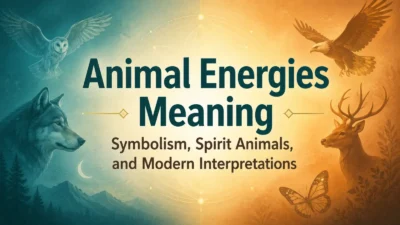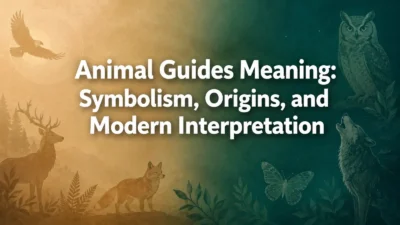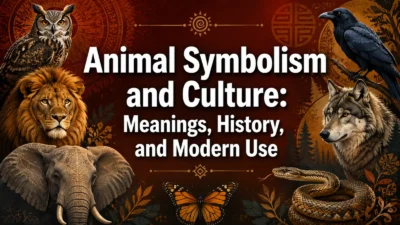
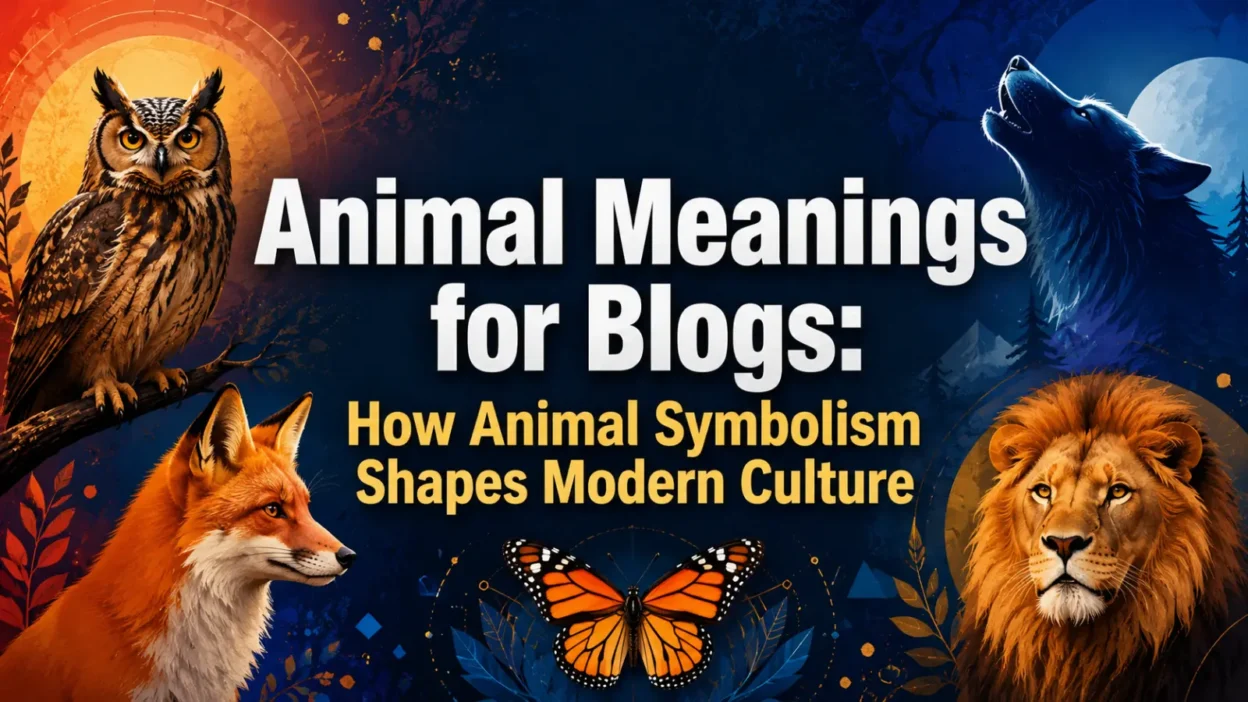
Animals carry meaning far beyond biology. People use them to express identity, emotion, spirituality, memory, and cultural values. In the United States, animal symbolism appears everywhere — from tattoos and sports mascots to fashion, films, logos, and internet culture.
When people search for “animal meanings for blogs,” they are usually looking for symbolic interpretations tied to personality, guidance, strength, freedom, wisdom, or transformation. Some of those meanings come from long historical traditions. Others are modern creations shaped by pop culture and online communities.
Animal symbolism matters because humans naturally use animals to explain human behavior. A fox may suggest cleverness. An eagle may suggest freedom or power. A butterfly may suggest change. These meanings feel familiar because they are repeated through stories, art, religion, media, and social traditions over time.
Quick Answer
Animal meanings for blogs usually refer to the symbolic traits people associate with certain animals, such as wisdom, strength, freedom, loyalty, or transformation. Many of these meanings developed from folklore, religion, storytelling, observed animal behavior, and modern cultural reuse rather than universal ancient truths.
TL;DR
- Animal symbolism changes across cultures.
- Modern meanings often differ from historical ones.
- Tattoos and branding shape U.S. interpretations.
- Some meanings come from folklore, not fact.
- “Spirit animal” language requires cultural care.
- Internet culture reshapes symbolic meanings quickly.
What Animal Symbolism Means Today
Animal symbolism is the practice of attaching human ideas, emotions, or values to animals. These meanings can be personal, cultural, spiritual, artistic, or commercial.
Today, Americans often encounter symbolic animals through:
- Tattoos
- Sports teams
- Brand logos
- Movies and fantasy stories
- Astrology and spirituality content
- Social media aesthetics
- Home decor and fashion
Modern symbolism usually focuses on traits people admire or recognize. Wolves often represent loyalty or independence. Lions suggest courage or authority. Owls are linked to intelligence. Butterflies commonly symbolize personal change.
Still, these meanings are not fixed rules. Animal symbolism works more like cultural shorthand. People reuse familiar associations because audiences already understand them.
Why Humans Attach Meanings to Animals
Humans have always lived near animals. Early communities depended on them for survival, protection, labor, fear, and storytelling. Over time, people began turning animal behavior into symbolic lessons.
This process often followed visible traits.
A few examples include:
- Eagles fly high and see long distances, so they became linked with vision and authority.
- Wolves hunt in groups, encouraging associations with loyalty or teamwork.
- Snakes shed their skin, which inspired meanings tied to rebirth or transformation.
- Owls are active at night, leading many cultures to connect them with mystery or hidden knowledge.
Not every symbolic meaning comes directly from real animal behavior, though. Some grew from myths, religion, or literature instead. Dragons, phoenixes, and unicorns are obvious examples of symbolic creatures shaped almost entirely through storytelling.
People also project emotions onto animals because animals make abstract ideas easier to visualize. Freedom feels more concrete when represented by a soaring bird rather than a written definition.
How Ancient Traditions Shaped Animal Meanings
Many symbolic animal meanings developed through oral tradition long before modern media existed.
Ancient cultures used animals in:
- Religious stories
- Royal emblems
- Warning tales
- Seasonal rituals
- Creation myths
- Moral lessons
In ancient Mediterranean traditions, owls became associated with wisdom partly through links to Athena, the Greek goddess connected with strategy and knowledge.
In parts of Northern Europe, ravens carried meanings tied to prophecy, battle, and memory through Norse mythology.
In parts of Asia, dragons often symbolized authority, protection, or cosmic balance rather than evil destruction. That differs sharply from many Western fantasy traditions.
Indigenous traditions across the Americas also contain deep animal symbolism. However, these beliefs are highly specific to individual nations and communities. Modern internet lists often flatten these traditions into generalized “spirit animal” content, which can remove important cultural context.
Animal symbolism also changed through religion. In Christianity, lambs became linked with innocence and sacrifice. Doves became associated with peace and the Holy Spirit. Serpents gained strong associations with temptation because of biblical storytelling.
Over centuries, these meanings spread through art, literature, and education until they became culturally familiar even outside religious practice.
Why Animal Meanings Change Between Cultures
No animal has one universal meaning everywhere.
The same animal may symbolize protection in one culture and danger in another. Local environment, religion, politics, and storytelling all shape interpretation.
For example:
- Owls symbolize wisdom in much of modern American culture.
- In some traditions, owls are connected with death, warning, or the spirit world.
- Snakes may symbolize healing, danger, fertility, or deceit depending on context.
- Foxes can represent intelligence, trickery, survival, or spiritual transformation.
This variation matters because modern online symbolism often presents meanings as absolute facts. In reality, symbolic interpretation depends heavily on place and tradition.
Even within the United States, symbolism shifts between groups. A bald eagle may represent patriotism to one person and government power to another. A wolf may symbolize wilderness conservation, masculinity, loneliness, or family loyalty depending on the audience.
Common Animal Meanings in Modern U.S. Culture
Certain symbolic animal meanings appear repeatedly in American culture because they are reinforced through media, education, branding, and sports.
| Animal | Common U.S. Meaning | Why It Developed |
|---|---|---|
| Eagle | Freedom, patriotism, strength | National symbol and military imagery |
| Wolf | Loyalty, independence, survival | Pack behavior and wilderness mythology |
| Owl | Wisdom, mystery | Literary and mythic traditions |
| Butterfly | Transformation, healing | Visible life-cycle changes |
| Lion | Courage, leadership | Royal and heroic symbolism |
These meanings are now so common that people recognize them instantly in logos, tattoos, clothing, and film.
Still, symbolism evolves. Wolves once appeared heavily as threats in American folklore. Modern culture increasingly frames them as intelligent and emotionally connected animals instead.
Animal Symbolism in Tattoos, Fashion, and Identity
Animal symbolism has become deeply connected with self-expression.
People often choose animal tattoos or designs because they identify with a perceived trait:
- Wolves for loyalty or resilience
- Butterflies for recovery or personal growth
- Snakes for transformation
- Lions for confidence
- Ravens for mystery or intelligence
In fashion and branding, animal imagery can signal status, emotion, or identity quickly. Sports teams rely heavily on symbolic animals because they create emotional recognition. Eagles, bulls, panthers, and hawks suggest power and competitiveness.
Social identity also plays a role. Some people use animal symbolism to express personality types or emotional experiences. Online communities sometimes adopt animal imagery as shorthand for independence, introversion, aggression, softness, or adaptability.
At the same time, commercialization has simplified many meanings into easy stereotypes. Real cultural history is often replaced by motivational slogans or aesthetic trends.
The Difference Between Totem Animals, Spirit Animals, and Symbolic Animals
These terms are often treated as interchangeable online, but they are not identical.
“Symbolic animal” is the broadest and safest category. It simply refers to animals carrying symbolic meaning in culture, storytelling, art, or personal interpretation.
“Totem” has specific cultural and ceremonial meanings in certain Indigenous traditions, especially among some Indigenous peoples of the Pacific Northwest. It is not just a personality label or online quiz result.
“Spirit animal” became popular in modern internet culture and New Age spirituality. However, many Indigenous people have criticized casual usage because it removes the term from its cultural and spiritual roots.
That does not mean people cannot connect emotionally with animals or use animal symbolism personally. It means context matters. Respectful interpretation avoids treating sacred traditions as generic aesthetics.
A more careful approach is to describe animals as personal symbols, guiding symbols, or symbolic associations unless discussing a specific cultural tradition accurately.
Animal Symbols in Religion and Folklore
Animals often act as moral messengers in religion and folklore.
In folklore traditions, animals may appear as:
- Tricksters
- Guardians
- Warnings
- Helpers
- Sacred messengers
- Symbols of luck or danger
Foxes frequently appear as trickster figures. Ravens and crows are often linked with mystery or prophecy. Deer commonly symbolize gentleness, wilderness, or spiritual guidance.
Religious symbolism can differ from folklore symbolism. A snake in one context may represent healing and renewal, while in another it may symbolize temptation or chaos.
Some omen beliefs also developed around animals. Black cats, ravens, owls, and crows became tied to superstition in parts of Europe and later America. These beliefs are cultural traditions rather than scientifically proven signs.
Modern horror films and internet storytelling have strengthened some negative associations, especially around crows, bats, spiders, and snakes. Yet many cultures also view those same animals positively.
Internet Culture and Modern Animal Symbolism
The internet has accelerated symbolic change.
Animal meanings now spread through:
- TikTok trends
- Meme culture
- Personality quizzes
- Astrology communities
- Aesthetic branding
- Digital fandoms
This creates fast-moving symbolic trends that may have little connection to historical traditions.
For example, raccoons are increasingly used online as symbols of chaos, survival humor, and emotional messiness. Frogs became internet symbols tied to irony, memes, and online identity culture.
Some animal symbols have also become politically charged or controversial because extremist groups reused certain imagery. That does not erase older meanings, but it changes how audiences may interpret them today.
Online symbolism also encourages oversimplified “you are this animal” content. These interpretations can feel emotionally meaningful, but they are usually modern personality frameworks rather than ancient systems.
When Animal Meanings Become Oversimplified
One major problem with modern symbolism content is overconfidence.
Many articles claim:
- every culture shared the same meaning
- ancient people universally believed something
- symbolic interpretations are scientifically true
- certain animals guarantee spiritual outcomes
Evidence for these claims is often weak or exaggerated.
Animal symbolism works best when treated as interpretation rather than objective fact. Meanings develop through storytelling, repetition, environment, religion, politics, and emotion.
Oversimplification can also erase cultural differences. Indigenous beliefs, African traditions, Asian folklore, and European mythology are often blended together online into generic “animal wisdom” content that lacks historical precision.
Commercialization adds another layer. Companies frequently strip symbols of original context because simplified meanings sell more easily in decor, fashion, or wellness products.
That does not make modern interpretations meaningless. It simply means they should be understood honestly as evolving cultural ideas rather than timeless universal truths.
How to Interpret Animal Symbolism Thoughtfully
A grounded approach to animal symbolism starts with context.
Helpful questions include:
- Where does this meaning come from?
- Is it folklore, religion, pop culture, or modern internet interpretation?
- Is the meaning local or global?
- Has the meaning changed over time?
- Is the symbol sacred within a living tradition?
- Am I treating interpretation as personal reflection or historical fact?
It also helps to separate symbolic meaning from real animal behavior. Wolves are not literally symbols of loyalty in nature. Humans created that interpretation from observed social behavior and storytelling traditions.
Personal interpretation still matters, though. Symbols work partly because people emotionally connect with them. An animal may hold meaning because of memory, family history, religion, art, or life experience.
The strongest interpretations stay curious rather than absolute.
FAQs
What do animal meanings usually symbolize?
Animal meanings often symbolize human traits, emotions, fears, values, or social ideas. These interpretations usually come from storytelling, religion, folklore, observed behavior, and modern media rather than fixed universal rules.
Are animal symbolism meanings universal?
No. Animal symbolism changes across cultures, religions, and historical periods. A symbol that feels positive in one tradition may carry very different meanings somewhere else.
What do animal tattoos usually mean?
Animal tattoos often represent identity, personality, survival, transformation, or emotional experience. The meaning is usually personal, though some symbols — like wolves or butterflies — have widely recognized cultural associations.
Is “spirit animal” a religious term?
The phrase overlaps with Indigenous spiritual traditions in some contexts, but modern internet usage often removes it from those roots. Many people now prefer broader terms like “symbolic animal” or “animal guide” to avoid oversimplification.
Why are owls connected with wisdom?
Owls became linked with wisdom through mythology, literature, and their mysterious nighttime behavior. In modern American culture, schools, books, and media reinforced that interpretation over time.
Are negative animal symbols based on science?
Usually not. Negative symbolism often comes from superstition, religion, fear, or cultural storytelling. Animals like bats, snakes, and crows have symbolic reputations that do not reflect scientific reality.
Conclusion
Animal symbolism continues to evolve because people constantly reuse animals to express ideas about identity, emotion, morality, spirituality, and culture. Some meanings come from ancient traditions. Others were shaped recently through media, branding, tattoos, and online communities.