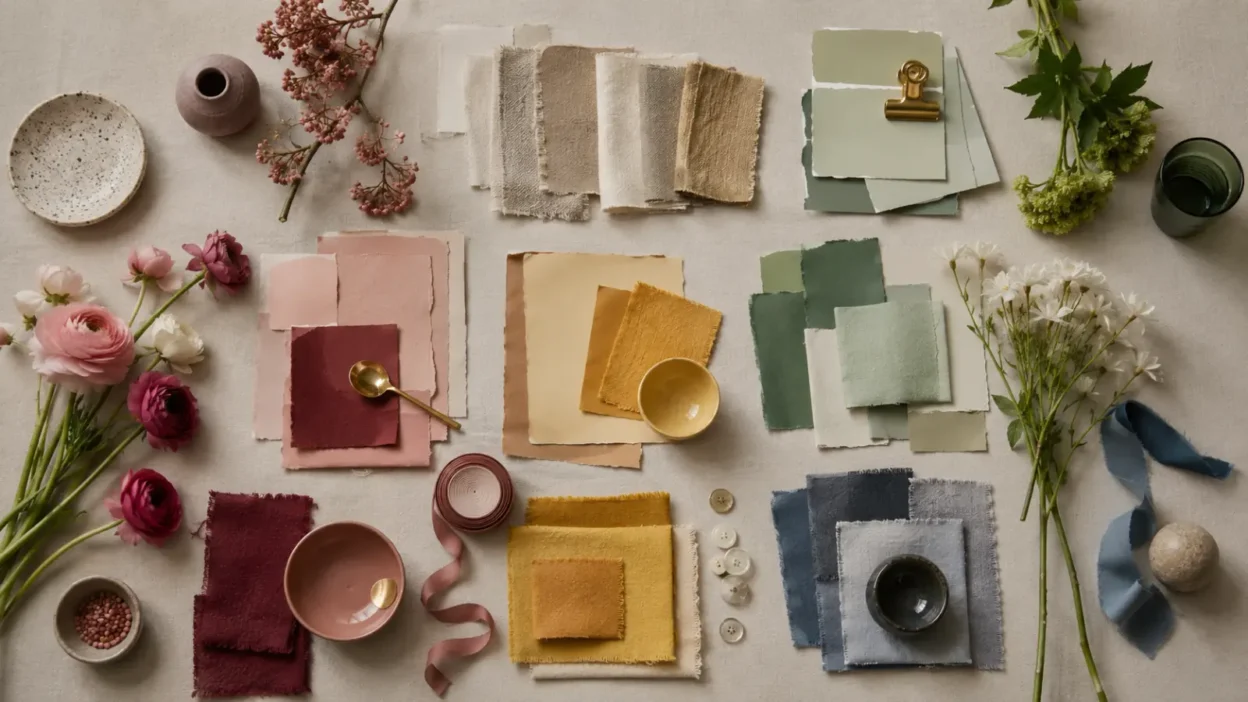
Color symbolism examples are everywhere in the United States, even when people do not stop to name them. Red lights tell drivers to stop. White dresses often suggest weddings. Black clothing can feel formal, elegant, rebellious, or mournful depending on the setting.
A color is not a symbol by itself in every situation. It becomes symbolic when people connect it with an idea, emotion, role, belief, group, warning, memory, or tradition.
That is why color meanings can feel familiar but still be hard to define. A color can carry old religious meanings, modern marketing habits, personal memories, seasonal traditions, and internet trends at the same time.
This guide explains the most common meanings in a U.S. context, where they likely came from, and how to read them without turning flexible symbols into fixed rules.
Quick Answer
In modern U.S. culture, color symbolism examples usually connect colors with emotions, social signals, identity, holidays, brands, causes, and rituals. Red often suggests love or danger, blue suggests trust or calm, green suggests nature or money, white suggests purity or cleanliness, and black suggests mourning, elegance, or seriousness.
These meanings come from a mix of visible experience, religion, art, politics, language, commerce, and custom. They are useful, but they are not universal laws.
TL;DR
- Color meanings depend on context.
- Red can mean love or danger.
- Blue often signals calm and trust.
- Green suggests nature, money, or envy.
- White and black shift across cultures.
- Modern use shapes older meanings.
What Color Symbolism Means in Everyday Life
Color symbolism is the meaning people attach to color beyond its physical appearance. It is the difference between seeing a red shirt and reading red as bold, romantic, angry, urgent, festive, or political.
Most people learn these meanings through repetition. A child sees red on stop signs, hearts, fire trucks, Valentine cards, and warning labels. Over time, red becomes tied to attention, heat, love, risk, and urgency.
The same thing happens with other colors. Blue appears in uniforms, corporate logos, hospital signs, denim, sky imagery, and political maps. Green appears in parks, dollar bills, recycling symbols, and “go” signals. These repeated uses train the eye.
Color symbolism also works because color is quick. Before people read words, they often notice the color field. That makes color useful in design, ceremony, sports, safety, fashion, and public life.
Still, color does not carry one meaning in isolation. A black suit at a funeral, a black dress at a party, and a black flag at a protest do not say the same thing. The color matters, but the setting matters more.
Why One Color Can Mean Opposite Things
Many colors have opposite meanings because people meet them in different situations.
Red is a good example. It can suggest love because it is linked with hearts, roses, warmth, blood, and attraction. It can also suggest danger because it is bright, attention-grabbing, and used in warning systems.
White can suggest purity in American weddings, cleanliness in hospitals, or blankness in minimalist design. In some other cultural settings, white can also be tied to mourning or death. That does not make one meaning right and the other wrong. It shows that symbols are learned.
Shade changes meaning too. Pale blue may feel soft and peaceful. Navy blue may feel official or conservative. Electric blue may feel futuristic. Muted blue-gray may feel cold or lonely.
The object carrying the color also changes the reading. Each setting narrows the meaning.
A responsible reading of color asks three questions: where is the color used, who is using it, and what associations are already active in that setting?
Red: Love, Warning, Power, and Urgency
Red is one of the strongest color symbols in modern U.S. life. It grabs attention quickly, which helps explain its use in stop signs, traffic lights, emergency labels, clearance tags, and alarms.
Its emotional range is wide. Red can mean love, passion, desire, courage, anger, heat, blood, danger, sacrifice, or power. These meanings are not random. Many come from visible life: blood, fire, flushed skin, ripe fruit, wounds, roses, and sunsets.
In romance, red is tied to Valentine’s Day, roses, hearts, lipstick, and evening wear. The meaning is emotional and physical. It suggests warmth, attraction, and intensity.
In public safety, red tells people to notice something fast. A stop sign does not ask for deep interpretation. Its meaning is learned, practical, and reinforced every day.
Red also carries power. Red carpets, red ties, red uniforms, and red sports branding can suggest status, boldness, or dominance. In politics, red has a specific modern U.S. meaning through party color maps, though that is a recent convention rather than an ancient one.
Red is a good reminder that color symbolism often depends on use. The same color can say “I love you,” “stop,” “sale,” “danger,” or “celebration.”
Blue: Trust, Calm, Sadness, and Authority
Blue is often read in the United States as calm, stable, trustworthy, clean, and dependable. That helps explain why it appears often in banks, insurance companies, healthcare settings, uniforms, technology branding, and government design.
Its calm meaning likely comes partly from natural associations: sky, water, distance, shade, and coolness. In design, blue can make a space or brand feel controlled rather than heated.
Blue also carries authority. Navy suits, police uniforms, military dress, and official seals help connect darker blues with discipline, seriousness, and order.
At the same time, blue can mean sadness. English phrases such as “feeling blue” or “the blues” keep that emotional association alive. A pale blue nursery wall and a smoky blue jazz album cover do not communicate the same mood.
Blue’s meaning also changes across cultures and histories. In some art and religious settings, blue has been linked to divinity, protection, wealth, or sacred figures because blue pigments were once rare, costly, or visually striking.
Today, blue works best as a symbol when the shade matches the message. Light blue suggests softness. Royal blue suggests clarity and confidence. Navy suggests formality. Blue-gray can feel distant or subdued.
Green: Nature, Money, Luck, Envy, and Renewal
Green is one of the most context-dependent colors in American symbolism. It can mean nature, health, freshness, growth, renewal, money, luck, safety, youth, envy, or inexperience.
The nature meaning is easy to understand. Leaves, grass, moss, and spring growth make green a natural symbol of life returning. This is why green appears in environmental branding, wellness products, parks, gardening, and sustainability messaging.
In the United States, green also strongly suggests money because U.S. paper currency is visually associated with green ink. That gives green a financial meaning that may not carry the same force everywhere.
Green can also signal permission.
The negative side matters too. “Green with envy” connects the color with jealousy. Calling someone “green” can mean inexperienced. Greenish skin in cartoons and visual storytelling can suggest sickness or nausea.
Green is rarely just one thing. A deep forest green wall may feel grounded and traditional. Neon green may feel artificial, digital, toxic, or energetic. Sage green may feel calm, natural, and domestic.
Yellow and Orange: Attention, Warmth, Optimism, and Caution
Yellow and orange sit close together in many symbolic systems because both are warm, bright, and highly visible. They often suggest sun, heat, energy, harvest, friendliness, and attention.
Yellow can symbolize joy, youth, clarity, hope, caution, cowardice, illness, or aging depending on use. In U.S. road signs, school buses, and warning labels, yellow is practical because it stands out. In flowers, interiors, and children’s design, it can feel cheerful.
Orange often suggests warmth, appetite, movement, friendliness, affordability, autumn, and visibility. It appears in traffic cones, safety vests, sports uniforms, Halloween decor, pumpkins, and fall marketing.
These colors can become overwhelming when used heavily. A small amount of yellow may feel bright. Too much harsh yellow can feel anxious or irritating. Orange can feel playful in one setting and cheap or loud in another.
Their symbolic strength comes from visibility. They are often chosen when the goal is not solemnity but attention, movement, warmth, or seasonal energy.
Black, White, and Gray: Mourning, Purity, Elegance, and Neutrality
Black, white, and gray are often treated as neutral colors, but symbolically they are anything but empty. They carry some of the strongest meanings in clothing, ceremony, design, religion, and public life.
| Color | Common U.S. meanings | Context changes |
|---|---|---|
| Black | Mourning, elegance, seriousness, rebellion | Formalwear, funerals, protest, luxury branding |
| White | Purity, cleanliness, simplicity, weddings | Hospitals, minimal design, religion, mourning in some cultures |
| Gray | Neutrality, age, restraint, uncertainty | Business, weather, technology, emotional distance |
| Black and white together | Contrast, clarity, authority, old media | Photography, law, uniforms, graphic design |
Black is strongly tied to mourning in much of U.S. funeral culture. It can also mean elegance, privacy, sophistication, danger, mystery, rebellion, or moral darkness. A black tuxedo and a black horror poster share a color but not a message.
White is often linked in the U.S. with weddings, cleanliness, innocence, simplicity, snow, blank pages, and medical spaces. These meanings are familiar but not universal. In some traditions, white may be associated with death, grief, or ancestor rites.
Gray tends to feel quieter. It can suggest balance, professionalism, age, fog, uncertainty, practicality, or emotional dullness. In design, gray often works as a background color that lets stronger colors speak.
These colors require caution because they often touch death, purity, race-coded language, religion, and moral judgment. A careful interpreter avoids treating “white equals good” and “black equals bad” as harmless universal truths. Those associations have long histories and can become harmful when applied to people instead of design, ritual, or visual contrast.
Purple and Pink: Status, Spirituality, Romance, and Identity
Purple often suggests royalty, dignity, mystery, creativity, spirituality, luxury, or ceremony. One reason is historical: some purple dyes were difficult and expensive to produce, so purple fabrics could be linked with wealth or high status.
In religious and ceremonial settings, purple can signal penitence, preparation, mourning, or sacred authority, depending on the tradition. In modern U.S. culture, it also appears in academic dress, beauty branding, fantasy design, and awareness campaigns.
Purple can feel elegant when deep, soft when lavender, and playful or digital when bright. The shade matters.
Pink has shifted a great deal over time. Today in the United States, it is often linked with romance, softness, sweetness, femininity, care, youth, and breast cancer awareness. But pink is not naturally “female.” That association is a cultural pattern shaped by fashion, retail, childhood marketing, and social habit.
Pink can also be bold. Hot pink may suggest confidence, pop culture, protest, queer aesthetics, or playful rebellion. Pale pink can feel gentle or nostalgic. Dusty rose can feel mature and romantic.
Both purple and pink show how color meanings are not frozen. They move with fashion, gender norms, religion, politics, and media.
Brown and Earth Tones: Stability, Simplicity, Age, and Comfort
Brown is less dramatic than red or black, but it carries strong everyday symbolism. It often suggests earth, wood, leather, coffee, bread, soil, work, warmth, age, dependability, and comfort.
In U.S. branding, brown can make something feel natural, handmade, traditional, rugged, affordable, or trustworthy. It appears in packaging for coffee, chocolate, outdoor goods, leather products, craft foods, and rustic decor.
Brown can also suggest plainness, dirt, poverty, boredom, or decay. A warm walnut table and a muddy brown wall do not create the same feeling.
Earth tones such as tan, beige, clay, terracotta, olive, rust, and sand often soften a space. They can suggest calm, age, natural materials, and a slower pace. In fashion, they can feel practical or understated. In decor, they often create warmth without demanding attention.
These colors are important because not every symbol needs to shout. Brown and earth tones often communicate through familiarity and material memory.
Color Symbolism in U.S. Holidays, Sports, Politics, and Awareness Campaigns
Modern U.S. life teaches color symbolism through repeated public events.
Holidays are one of the clearest examples:
- Red and green suggest Christmas.
- Orange and black suggest Halloween.
- Red, white, and blue suggest the Fourth of July, veterans, flags, and national identity.
- Pastels often suggest Easter and spring.
- Pink and red suggest Valentine’s Day.
Sports also make colors symbolic. Team colors become identity markers. A jersey color can signal place, loyalty, rivalry, tradition, and family memory. The color itself may matter less than the team history attached to it.
Politics gives colors another layer. In current U.S. maps and media, red and blue are tied to major political parties. This is a modern media convention, not a timeless meaning of the colors themselves.
Awareness campaigns use color to make causes visible. Pink ribbons are widely recognized for breast cancer awareness. Red ribbons are associated with HIV/AIDS awareness. Yellow ribbons have been used for military support and remembrance. Purple, teal, orange, blue, green, and other colors may represent multiple causes, so it is wise to check the context before assuming a single meaning.
Public color meanings become strong because people see them together, year after year.
Color Symbolism in Branding, Clothing, Decor, Tattoos, and Digital Culture
People use color to shape how something feels before it is explained.
Brands use color to signal personality. Blue can suggest trust. Green can suggest nature or health. Black can suggest luxury or seriousness. Red can suggest speed, appetite, excitement, or urgency. These are not magic effects. They are cultural shortcuts.
Clothing uses color in a more personal way. Someone may wear black to look formal, private, stylish, grieving, or edgy. White can feel crisp, bridal, summery, or ceremonial. Red can feel romantic or confident. Neutrals can feel calm or professional.
Decor uses color to shape mood. Soft greens and blues often create a restful feeling. Warm earth tones can make rooms feel grounded. Bright colors can make a space feel social or playful. Dark colors can feel intimate, dramatic, or heavy.
Tattoos often use color to add emotional tone. Red roses may suggest love, memory, sacrifice, or passion. Blue waves may suggest calm, grief, travel, or resilience. Purple flowers may suggest dignity, spirituality, or personal transformation. Tattoo meaning is especially personal, so public symbolism should never be treated as the whole story.
Digital culture changes meanings quickly. A color palette can become tied to an app, a fandom, a meme, an album, a game, or an online aesthetic. Some meanings last. Others fade within a season.
How to Interpret Color Symbolism Without Oversimplifying It
Color symbolism is useful when it is read carefully. It becomes misleading when people treat every color as if it has one fixed meaning.
A better approach is to look at layers:
- The object: What is colored?
- The setting: Where does it appear?
- The shade: Is it pale, bright, dark, muted, or neon?
- The culture: Who is reading it?
- The time period: Is the meaning old, modern, or trend-based?
- The purpose: Is it ritual, safety, fashion, branding, protest, or decoration?
Misuse often happens when people borrow sacred, mourning, Indigenous, religious, national, or cause-related colors without understanding the context. A color palette may look decorative to one person and deeply meaningful to another.
Oversimplification also happens in color psychology. Colors can influence mood and attention, but claims such as “blue always calms people” or “red always causes aggression” go too far. Human response depends on memory, culture, lighting, design, and circumstance.
The safest reading is flexible but specific. Say what a color commonly suggests in a given setting, and leave room for other meanings.
FAQs
What are the most common color symbolism examples?
Common examples include red for love or danger, blue for calm or trust, green for nature or money, black for mourning or elegance, and white for purity or cleanliness. These meanings are common in the United States, but they can shift by culture, shade, and situation.
What color symbolizes strength?
Red, black, navy blue, and purple can all symbolize strength in different contexts. Red often suggests bold energy, black can suggest seriousness or authority, navy can suggest discipline, and purple can suggest dignity or status.
What color symbolizes peace?
White and blue are often used to symbolize peace in U.S. and Western contexts. White may suggest truce, simplicity, or purity, while blue may suggest calm, open sky, or emotional steadiness.
Are color meanings the same in every culture?
No. Color meanings are shaped by language, religion, history, local customs, politics, and visual traditions. White is a clear example because it may suggest weddings and purity in one setting, but mourning in another.
What do colors mean in tattoos?
Tattoo colors often combine public symbolism with personal meaning. Red may add passion or sacrifice, black may add seriousness or memory, green may add growth, and blue may add calm or grief, but the wearer’s story matters most.
Is color symbolism spiritual?
It can be, but it is not always spiritual. Some color meanings come from religion or ritual, while others come from safety systems, fashion, branding, art, folklore, holidays, or personal memory.
Can one color have both positive and negative meanings?
Yes. Green can mean renewal or envy, red can mean love or danger, and black can mean elegance or grief. Opposite meanings are normal because symbols change with context.
Conclusion
Color symbolism works because people learn meanings through repeated use. A color appears in signs, clothing, holidays, rituals, brands, rooms, art, flags, and screens until it begins to feel connected to certain ideas.