Animal symbolism meaning is about the way people use animals to represent ideas, traits, emotions, beliefs, and identities. A lion may suggest courage. A dove may suggest peace. A snake may suggest danger, healing, or transformation, depending on the setting.
People care about animal symbols because they are easy to recognize and emotionally strong. We learn animal meanings from stories, religion, art, family sayings, school mascots, tattoos, movies, and the places where we live.
In the United States, animal symbols appear almost everywhere. They show up on national emblems, sports logos, jewelry, home decor, tattoos, brand marks, children’s books, and social media.
The clearest way to understand animal symbolism is to ask three questions: What animal is being used? Where is it being used? Who is giving it meaning?
Quick Answer
In modern U.S. use, animal symbolism meaning usually refers to the traits people associate with animals, such as strength, freedom, loyalty, wisdom, protection, or transformation. These meanings often come from visible animal behavior, old stories, religion, folklore, and modern culture, but they are not the same in every tradition.
TL;DR
- Animal symbols connect nature with human values.
- Meanings change by culture, religion, and context.
- Tattoos make animal symbolism deeply personal.
- Omens and dreams are belief-based interpretations.
- Sacred animal imagery should be treated with care.
- Real animals are more complex than symbols.
What Animal Symbolism Means Today
Animal symbolism is the use of animals as signs for human ideas. It does not mean an animal has one fixed message. It means people have learned to read certain animals as reminders of qualities, stories, fears, hopes, or values.
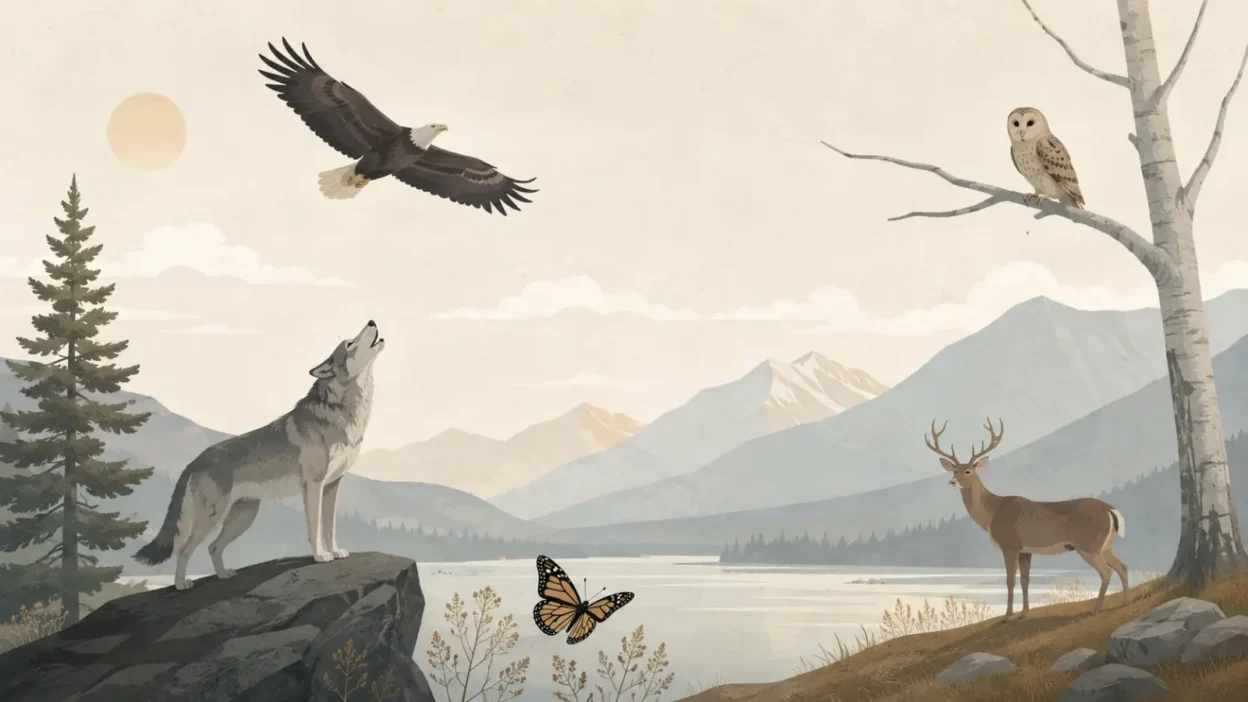
A wolf might represent loyalty in one setting because wolves live in social groups. In another setting, it might represent danger because older tales often cast wolves as threats. A butterfly can suggest beauty, change, the soul, or grief, depending on the culture and the moment.
Today, many U.S. readers meet animal symbols through personal choice. Someone may choose a bear tattoo to represent protection. A school may choose a tiger mascot to project confidence. A family may use a cardinal image to remember a loved one.
These meanings are real in the sense that people use them, share them, and feel them. But they are not scientific facts about the animals themselves. They are human interpretations.
Why Humans Turn Animals Into Symbols
Animals become symbols because people notice them. Their bodies, movements, sounds, habitats, and habits make them easy to turn into metaphors.
Birds fly, so people often connect them with freedom, messages, the soul, or escape. Snakes shed their skin, so they often become symbols of renewal, danger, medicine, or hidden knowledge. Dogs live closely with humans, so they often stand for loyalty, protection, and companionship.
Symbolism also grows from emotion. A person who grew up near deer may see them as gentle and peaceful. A farmer who has lost crops to deer may see them differently. A community that depends on an animal for food, clothing, transport, or ceremony may read that animal in ways outsiders do not understand.
This is why animal meanings can overlap without being universal. Similar animals may suggest similar ideas across cultures, but the deeper meaning depends on local history.
Common Animal Meanings at a Glance
The table below gives common modern meanings, especially in U.S. popular use. These are starting points, not final definitions.
| Animal | Common Symbolic Meanings | Why the Meaning Developed |
|---|---|---|
| Eagle | Freedom, vision, power, national identity | Flight, sharp sight, and civic use |
| Lion | Courage, royalty, leadership, strength | Size, mane, hunting image, royal art |
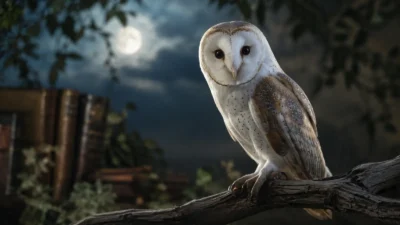
| Owl | Wisdom, mystery, night, watchfulness | Nocturnal habits and old deity links |
| Wolf | Loyalty, instinct, wildness, family | Pack life and wilderness stories |
| Butterfly | Change, beauty, renewal, fragile life | Metamorphosis from caterpillar to adult |
| Snake | Danger, healing, rebirth, temptation | Venom, skin-shedding, religious stories |
A useful rule is this: the same animal can carry positive and negative meanings at the same time. That is not a contradiction. It is how symbols work.
A snake can be feared because some snakes are venomous. It can also suggest healing because snake imagery has long appeared in medical and sacred settings. A wolf can feel threatening in a fairy tale but loyal in a tattoo about family.
Historical Roots: Myth, Fable, and Bestiary Traditions
Animal symbolism is older than modern design, tattoos, or internet lists. Long before animals became logos or wall art, they appeared in stories that helped people explain moral choices, natural danger, family identity, and the unseen world.
In fables, animals often act like humans. Foxes become clever. Tortoises become patient. Hares become overconfident. These stories do not claim that real foxes are morally tricky or real tortoises are wise. They use animals as memorable characters.
Myths often go deeper. In many traditions, animals mark the boundary between human life and the sacred, the wild, or the ancestral. Some myths describe transformation between humans and animals. Others use animals as helpers, messengers, guardians, or warning figures.
In medieval Europe, bestiaries helped shape many animal meanings in Western art. These books described real and imagined animals and often gave them religious or moral meanings. Some descriptions came from observation. Others came from older legend. This is one reason Western animal symbols can feel ancient while still being a mix of fact, faith, and imagination.
Religious and Sacred Animal Meanings
Animals appear in many religions, but care is needed here. A sacred animal is not always “worshipped” as an ordinary animal. Often, the animal is honored because it is linked to a deity, a story, a moral lesson, a spiritual relationship, or a sacred role.
In Christian art, the lamb may point to innocence, sacrifice, or Christ. The dove may suggest peace, divine presence, or renewal. In ancient Greek tradition, the owl is strongly linked with Athena and wisdom. In Hindu traditions, animals can be connected with deities as vehicles, companions, or sacred figures.
These meanings should not be flattened into simple “animal equals trait” formulas. Within a living religion, an animal symbol can carry ritual, theological, family, or community meaning. Outside that tradition, the same image may be used as decor with far less depth.
That difference matters. A symbol can be beautiful to outsiders while also being sacred to insiders. Respect means not pretending a sacred image is only an aesthetic object.
Folklore, Omens, and Dream Interpretations
Animal omens and dream meanings belong mostly to folklore, superstition, spiritual practice, and personal interpretation. They can be meaningful to people, but they should not be treated as proven facts.
Common examples include:
- A black cat as a sign of bad luck or good luck, depending on tradition.
- A cardinal as a comforting sign after loss in modern popular belief.
- A snake in a dream as fear, change, temptation, healing, or hidden conflict.
- An owl call as wisdom in one context and warning in another.
- A butterfly as a sign of transformation, hope, or remembrance.
The key word is “may.” A dream of a wolf may suggest instinct or fear to one person. To another, it may simply reflect a movie watched the night before.
Folklore is still worth studying because it shows what people worry about, value, and hope for. But responsible interpretation keeps belief separate from evidence.
Animal Symbols in the United States
In the United States, the bald eagle is the most visible animal symbol. It appears in government imagery, military design, currency, seals, patriotic decor, and school materials. It often suggests freedom, independence, power, vigilance, and national identity.
The American bison also carries national weight. It is tied to the Great Plains, conservation history, Native nations, westward expansion, ecological loss, and restoration. Its symbolism can be inspiring, but it also carries painful history because bison destruction was tied to violence against Indigenous peoples.
Animal mascots are another major U.S. use. Schools, colleges, and sports teams choose eagles, tigers, bears, wolves, bulldogs, hawks, panthers, and mustangs to project energy and identity. These animals are usually selected for strength, speed, fierceness, endurance, or local pride.
Animal symbols also appear in state birds, state mammals, local festivals, brand logos, and family traditions. A lobster may signal Maine. A longhorn may signal Texas. A cardinal may signal several states, a baseball team, or a loved one remembered after death.
This is why U.S. animal symbolism is often layered. It can be patriotic, regional, commercial, emotional, and personal all at once.
Animal Tattoos, Jewelry, Decor, and Personal Identity
Modern animal symbolism is often chosen, not inherited. People pick animals because they feel connected to a trait, memory, place, or stage of life.
A butterfly tattoo may mark recovery or a major change. A wolf tattoo may honor family loyalty or independence. A bear necklace may represent protection. A bee print in home decor may suggest work, community, sweetness, or garden life.
Animal symbols work well in personal design because they are both clear and flexible. A small bird can be delicate or free. A snake can be elegant or dangerous. A lion can be bold or protective. The design style changes the message.
Placement also matters. A large chest tattoo of an eagle reads differently from a tiny bird behind the ear. A realistic animal image feels different from a geometric or cartoon version.
The most honest meaning is usually the one the wearer or owner can explain. Cultural history adds depth, but personal context gives the symbol its living meaning.
When Animal Symbolism Gets Oversimplified
Animal symbolism becomes a problem when people treat complex traditions as decoration or claim meanings that are not theirs to claim.
One common issue is casual use of “spirit animal.” Many Native communities have specific relationships with animals through clan systems, stories, kinship, place, and ceremony. Turning that into a joke or personality label can erase the seriousness of those traditions.
Oversimplification also happens when online lists present one meaning as universal. “The owl means wisdom” is too narrow. In some traditions, owls are linked with death, night, warning, or mystery. “The snake means evil” is also too narrow. Snakes can also mean healing, renewal, fertility, or divine power.
Be careful with:
- Sacred animal images from traditions you do not belong to.
- Tribal-style designs copied without context.
- Claims that one animal has one meaning everywhere.
- Tattoo designs based on sacred objects, ceremonies, or clan imagery.
- Internet interpretations that sound certain but give no context.
Respect does not mean avoiding all animal symbols. It means knowing when a symbol is personal, when it is cultural, and when it is sacred to someone else.
Symbolic Meaning Versus Real Animal Behavior
Animal symbols are not the same as animal science. They are human stories built around animals.
Owls are not wise in the human sense. Lions are not royal in the human sense. Snakes are not morally evil. Wolves are not villains waiting in the woods. These ideas come from human imagination, not from the animals’ own values.
Real animal behavior is usually more complex. Wolves are social predators with family structures. Snakes help ecosystems by controlling prey populations. Crows solve problems and adapt well to human environments. Deer can seem gentle and still cause serious road danger.
This does not make symbolism useless. It makes it more interesting. Symbols tell us as much about people as they do about animals.
When a culture calls an animal brave, pure, unlucky, sacred, or dangerous, it is also revealing what that culture notices, fears, admires, or needs.
How to Interpret an Animal Symbol Responsibly
A responsible animal interpretation begins with context. The same image can mean different things in a church window, a tattoo studio, a sports stadium, a dream journal, and a family memorial.
Use these questions before deciding what an animal symbol means:
- What animal is it?
- Is the animal real, mythical, stylized, or cartoon-like?
- Where does the image appear?
- Is the setting religious, personal, commercial, patriotic, or decorative?
- Is the meaning tied to a specific culture?
- Is it being used respectfully?
- What emotion does the image create?
- What would the person using it say it means?
Also notice the animal’s pose. A flying eagle feels different from a perched eagle. A roaring lion feels different from a sleeping lion. A coiled snake feels different from a snake shedding its skin. Visual details change interpretation.
The best reading usually combines three layers: common meaning, cultural background, and immediate context.
FAQs
What do animals symbolize in general?
Animals often symbolize human traits, emotions, values, and relationships with nature. Common meanings include strength, freedom, loyalty, wisdom, protection, danger, renewal, and transformation, but the meaning depends on the animal and context.
Is animal symbolism spiritual?
It can be spiritual, but it is not always spiritual. Some animal symbols come from religion or sacred tradition, while others come from art, folklore, tattoos, sports, branding, or personal memory.
What does an animal tattoo mean?
An animal tattoo usually represents a trait, story, identity, or life experience connected to that animal. For example, a wolf may suggest loyalty or independence, while a butterfly may suggest change, recovery, or personal growth.
Are animal meanings the same in every culture?
No. Some meanings overlap because people notice similar animal traits, but deeper meanings vary by religion, region, history, and local experience. An owl, snake, or wolf can have very different meanings from one tradition to another.
Are animal omens real?
Animal omens are part of folklore, superstition, and spiritual belief. They may feel meaningful to people, but they should be understood as interpretation rather than proven fact.
Is it okay to use the phrase “spirit animal”?
In casual U.S. speech, it is better to be careful with that phrase. Many Native traditions have specific and serious relationships with animals, and using “spirit animal” as a joke or personality label can be disrespectful.
What animal symbolizes strength?
Lions, bears, bulls, eagles, tigers, elephants, and wolves often symbolize strength. The exact meaning changes by culture: strength can mean courage, endurance, protection, leadership, survival, or spiritual power.
Conclusion
Animal symbols remain popular because they make big ideas easy to picture. A bird can make freedom visible. A wolf can make loyalty feel wild and alive. A butterfly can show change without needing many words.
The most useful way to read animal symbolism meaning is with care. Look at the animal, the setting, the culture, and the person using the image. Avoid one-size-fits-all claims, especially around sacred traditions.