Color symbolism in culture is the way people use color to express meaning beyond appearance. A red rose can suggest romance. A black suit can feel formal. A white dress can signal a wedding in one setting and mourning in another.
People care about color because it works quickly. Before we read a word, a color can make something feel urgent, calm, sacred, festive, serious, expensive, youthful, or political.
In the United States, color symbolism shows up everywhere: traffic signs, sports teams, holidays, clothing, tattoos, home decor, product packaging, national identity, and awareness campaigns. But color meaning is not fixed. It changes with time, place, religion, material, and use.
Quick Answer
In modern U.S. culture, color symbolism in culture most often points to emotion, identity, warning, celebration, mourning, and belonging. Many meanings come from visible associations, such as blood, sky, plants, night, light, and rare dyes, while others come from religion, politics, fashion, advertising, or later tradition.
TL;DR
- Color meanings depend on context.
- Red can mean love, danger, or celebration.
- White and black shift strongly by culture.
- U.S. politics reshaped red and blue.
- Brands use color, but not magically.
- Sacred color meanings need respect.
What Color Symbolism Means in Culture
Color symbolism means a color is being used as a sign. It points to an idea, mood, role, group, warning, value, or belief.
A color can work through shared habit. In the United States, green often suggests “go,” safety, money, nature, or environmental concern. That does not mean green has one fixed meaning. A green military uniform, a green traffic light, and green St. Patrick’s Day clothing all send different messages.
Color meaning also depends on the object carrying it. A red heart, a red stop sign, a red carpet, and a red political map do not mean the same thing. The color stays the same, but the setting changes the message.
This is why careful interpretation matters. A color’s meaning is usually a mix of sight, material history, religion, language, fashion, politics, and repeated use.
The Core Meanings People Notice First
Most Americans read color through a few familiar patterns. These are not universal laws. They are common habits in modern U.S. culture.
- Red often signals love, danger, urgency, anger, power, or celebration.
- Blue often suggests trust, calm, sadness, loyalty, water, sky, or political identity.
- White often suggests cleanliness, weddings, simplicity, peace, or innocence.
- Black often suggests formality, grief, authority, elegance, rebellion, or mystery.
- Green often suggests nature, money, safety, health, luck, or environmental concern.
- Yellow often suggests sunlight, cheer, caution, visibility, or anxiety.
- Purple often suggests royalty, spirituality, creativity, luxury, or dignity.
- Pink often suggests softness, care, femininity, romance, youth, or breast cancer awareness.
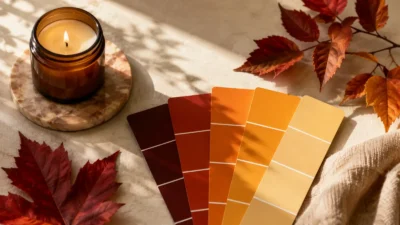
- Orange often suggests energy, warmth, autumn, warning, playfulness, or affordability.
These meanings work because people see them repeated. Traffic systems, holidays, uniforms, flags, apps, stores, schools, hospitals, and advertisements train the eye over time.
Why Color Meanings Develop in the First Place
Color meanings often begin with practical experience. Red is linked with blood, fire, heat, ripe fruit, and visible warning. Green is linked with plants, growth, and fresh life. Blue is linked with sky and water. Black is linked with night, darkness, ink, and formal clothing. White is linked with light, snow, milk, bone, paper, and cleanliness.
Material history also matters. Some pigments and dyes were once rare, costly, or difficult to make. Purple is a famous example. In parts of the ancient Mediterranean world, purple dye was expensive, so it became linked with rank and wealth. That older association still echoes today when purple feels “royal” or ceremonial.
Religion and ritual can give color strong meaning too. A color used in worship, mourning, initiation, seasonal festivals, or sacred art can become emotionally charged for a community. But those meanings belong to particular traditions. They should not be treated as generic decoration.
Color meanings also change when institutions repeat them. A uniform color can become linked with a profession. A party color can become political shorthand. A ribbon color can become a cause. A brand color can become part of a company’s identity.
A Quick Comparison of Common Color Meanings
The table below gives common patterns, not permanent rules. A color can mean one thing in a wedding, another in a protest, and another in a logo.
| Color | Common U.S. meanings | Meaning can shift when |
|---|---|---|
| Red | Love, danger, urgency, power | Used in politics, religious festivals, or warning signs |
| Blue | Trust, calm, sadness, loyalty | Used in party maps, uniforms, sacred art, or music |
| White | Weddings, peace, cleanliness, simplicity | Used in mourning, religion, medical spaces, or minimal design |
| Black | Mourning, formality, authority, elegance | Used in fashion, protest, luxury, or subculture |
| Green | Nature, money, luck, health, safety | Used in Islam, environmental campaigns, traffic systems, or holidays |
| Yellow | Sunlight, cheer, caution, visibility | Used in warning signs, illness imagery, gold symbolism, or school settings |
Red: Love, Danger, Power, and Celebration
Red is one of the easiest colors to notice. That visibility helps explain why it became linked with warning, urgency, blood, fire, and strong emotion.
In the United States, red appears in stop signs, emergency symbols, sale tags, Valentine’s Day hearts, lipstick, sports uniforms, and political maps. It can feel romantic, aggressive, festive, or alarming depending on where it appears.
Red’s emotional range is wide because its real-world associations are wide. Blood can suggest life, injury, sacrifice, kinship, birth, violence, or courage. Fire can suggest warmth, danger, purification, or destruction. A red rose can feel loving. A red alarm light can feel threatening.
In Chinese cultural contexts, red is strongly tied to joy, luck, weddings, and Lunar New Year celebration. That meaning should not be flattened into “red means luck everywhere.” In modern American contexts, red more often moves between love, danger, power, urgency, and party identity.
Red is also used in protest and revolution in several modern political traditions. That meaning comes from political history, not from the color alone.
Blue: Trust, Sadness, Spirit, and Stability
Blue often feels calm to many U.S. readers because it is tied to sky, water, distance, uniforms, and corporate design. Banks, hospitals, technology companies, and government agencies often use blue because it can suggest stability and trust.
But blue also carries sadness. Phrases like “feeling blue” and the blues in music show how a color can become emotional language. This meaning is not only visual. It is shaped by speech, music, memory, and cultural storytelling.
In religious and art-historical settings, blue has often carried sacred or high-status meaning. Blue pigments were not always easy to obtain, and blue could suggest heaven, divinity, protection, or spiritual distance in some traditions. Those meanings vary by place and period.
In U.S. politics, blue now signals the Democratic Party and Democratic-leaning states. This is a modern convention made familiar by election maps and media repetition. It is not an ancient American color code.
Blue is a good example of how color symbolism layers together. It can be calm, sad, official, sacred, fashionable, or political. The object and context decide which meaning comes forward.
White and Black: Purity, Mourning, Formality, and Power
White and black are often described as opposites, but their meanings are more complicated than that.
In much of modern U.S. culture, white is linked with weddings, cleanliness, peace, hospitals, paper, simplicity, and new beginnings. A white wedding dress can suggest innocence, ceremony, elegance, or tradition. A white wall can feel clean or empty. A white flag can signal surrender or truce.
Yet white is also associated with mourning in some Asian traditions and religious settings. That does not make either meaning wrong. It shows that color symbolism belongs to cultural systems, not isolated colors.
Black often carries mourning meaning in the United States, especially in funeral clothing. It can also suggest formality, power, seriousness, rebellion, luxury, or restraint. A black dress, a black judge’s robe, black athletic gear, and black protest clothing all speak differently.
Black has also been used in racial, political, and identity contexts, which requires care. It should not be reduced to “evil” or “darkness.” That old oversimplification can carry harmful assumptions. In modern language and culture, black can signal dignity, beauty, resistance, grief, elegance, or authority depending on context.
Green, Yellow, Purple, Pink, and Orange in Modern Life
Some colors carry strong everyday meanings because they appear often in U.S. public life.
Green is tied to plants, renewal, money, luck, safety, and environmental concern. In the United States, it also appears strongly around St. Patrick’s Day. That holiday meaning blends Irish identity, immigration history, nationalism, celebration, and American popular custom.
Yellow suggests sunlight, cheer, youth, and visibility. It is also used for caution because the eye notices it easily. School buses, warning signs, and safety vests have helped make yellow a practical public color.
Purple often suggests royalty, dignity, spirituality, creativity, and luxury. Some of this comes from older dye history and elite use. In modern America, purple also appears in causes, school colors, beauty branding, and spiritual aesthetics.
Pink has shifted a lot. Today it is often linked with femininity, sweetness, romance, youth, and care. It also strongly represents breast cancer awareness in the United States. That meaning is modern and campaign-based, not ancient.
Orange often suggests warmth, autumn, pumpkins, energy, warning, and play. It appears in Halloween decor, construction signs, safety gear, sports teams, and budget-friendly branding. Its meaning is usually lively, visible, and practical.
How the United States Uses Color Symbolism Today
American color symbolism is shaped by daily systems. People learn many meanings without thinking about them.
Red means stop. Green means go. Yellow means caution. Blue often means official information or trust. White can suggest healthcare cleanliness. Black can suggest formality. Orange can suggest construction, safety, or Halloween.
Holidays also teach color meaning. Red and green signal Christmas. Orange and black signal Halloween. Red, white, and blue signal national identity. Pink and red signal Valentine’s Day. Green signals St. Patrick’s Day. Pastels often signal Easter and spring.
Sports make color emotional too. Team colors can become part of local identity. A color that means nothing to one person can feel like home, rivalry, pride, or history to another.
Politics has made color symbolism even more visible. Red and blue are now shorthand for Republican and Democratic identity. This can make a map feel emotionally charged before the viewer reads any details. But that color system is modern, media-driven, and specific to the United States.
Awareness campaigns have added another layer. Pink ribbons for breast cancer awareness, red ribbons for HIV/AIDS awareness, purple for several causes, and teal for others show how modern groups assign color to support, grief, advocacy, and fundraising.
Color in Branding, Design, Decor, and Fashion
Brands use color because color is fast. It helps people recognize a product, feel a mood, and remember a company.
A brand may choose blue to feel dependable, green to suggest health or sustainability, black to feel premium, red to feel bold, or orange to feel friendly and energetic. These choices are not magic. They work best when the color matches the product, audience, price, tone, and repeated experience.
Home decor uses color in a similar way. White and beige can make a room feel open or calm. Dark colors can feel intimate or dramatic. Green can suggest nature. Blue can feel quiet. Yellow can feel warm, but too much may feel intense. Personal taste matters as much as cultural meaning.
Fashion adds another layer because color sits on the body. Black can look formal, slimming, severe, elegant, or rebellious. Red can feel confident or romantic. White can feel crisp or ceremonial. Pink can feel soft, playful, ironic, or bold depending on cut and styling.
Tattoos also depend on design. A red rose tattoo might suggest love, grief, beauty, or resilience. A blackwork tattoo might suggest clarity, seriousness, tradition, or graphic style. Color alone rarely explains a tattoo. The image, placement, personal story, and community meaning matter more.
Religious, Spiritual, and Folk Meanings Need Context
Many colors have religious meanings, but they should be explained within the tradition that uses them.
In Christian settings, colors may mark liturgical seasons, mourning, purity, sacrifice, royalty, or celebration. In Islamic contexts, green is often treated with special respect, though its use and meaning vary. In Hindu traditions, saffron, red, white, yellow, and other colors can carry ritual and social meanings depending on setting. In Buddhist contexts, robe colors and sacred art colors vary by region and lineage.
These are living traditions, not a single color dictionary. A color used in worship may have deep meaning for people inside that tradition and a different meaning for outsiders who see it as design.
Folklore and superstition also use color. A color may be thought to protect, attract luck, mark danger, or signal an omen. These claims should be described as beliefs, not proven facts. They matter because people practice them, not because they can be verified as universal truths.
Modern spirituality often borrows color meanings from many sources. Some systems connect colors with chakras, aura readings, candles, crystals, or manifestation rituals. These interpretations can be meaningful to practitioners, but they should not be confused with historical fact across all cultures.
Misuse, Oversimplification, and Changing Meanings
Color symbolism can be misused when people treat one meaning as universal. Saying “white means purity” ignores mourning traditions and religious differences. Saying “black means evil” can repeat harmful racial and moral assumptions. Saying “red means love” misses danger, politics, blood, sacrifice, and celebration.
Commercial use can also distort meaning. Awareness colors can help people show support, but they can also become marketing tools. Pink breast cancer products, for example, have been criticized when the color is used to sell goods without meaningful support for patients, research, or care.
Cultural reuse needs care too. Sacred colors, ceremonial clothing, Indigenous designs, and religious color systems should not be stripped from their communities and treated as vague aesthetics. Respect begins with naming limits: not every color meaning belongs to everyone in the same way.
Internet culture changes color symbolism quickly. A shade can become linked with a trend, fandom, album, app, meme, or fashion micro-aesthetic. These meanings may be real for a moment, but they are less stable than holiday colors, traffic signals, or long-standing religious use.
The best way to read color is to ask three questions: Where is it being used? Who is using it? What history or habit makes that meaning recognizable?
FAQs
What does color symbolism mean?
Color symbolism means a color is used to represent an idea, feeling, identity, warning, belief, or social role. The meaning comes from context, not from the color alone.
Is color symbolism the same in every culture?
No. Some color associations appear in many places, but their meanings are not identical. White, red, black, and green are especially likely to shift by religion, region, ritual, and history.
What is the most symbolic color?
Red is one of the most symbolically loaded colors because it is tied to blood, fire, love, danger, power, and celebration. Still, “most symbolic” depends on the culture and setting.
What do colors mean in tattoos?
Tattoo colors can add mood, contrast, and personal meaning, but the image matters more than the color alone. A red flower, black bird, blue wave, or green snake can mean very different things depending on style and personal story.
Are color meanings spiritual?
Some color meanings are spiritual within specific religions or belief systems. Others are modern interpretations, folk beliefs, or personal associations, so it is best to avoid treating them as universal truths.
Why do brands care about color symbolism?
Brands use color because it helps shape first impressions and recognition. A color can support a message, but it cannot create trust or quality by itself.
Can color symbolism be controversial?
Yes. Color meanings can become controversial when they involve politics, sacred traditions, racial assumptions, mourning, national identity, or commercial use of social causes. Careful context prevents shallow or harmful interpretation.
Conclusion
Colors are never just decoration. They help people read emotion, identity, danger, celebration, grief, belonging, and belief before words appear.